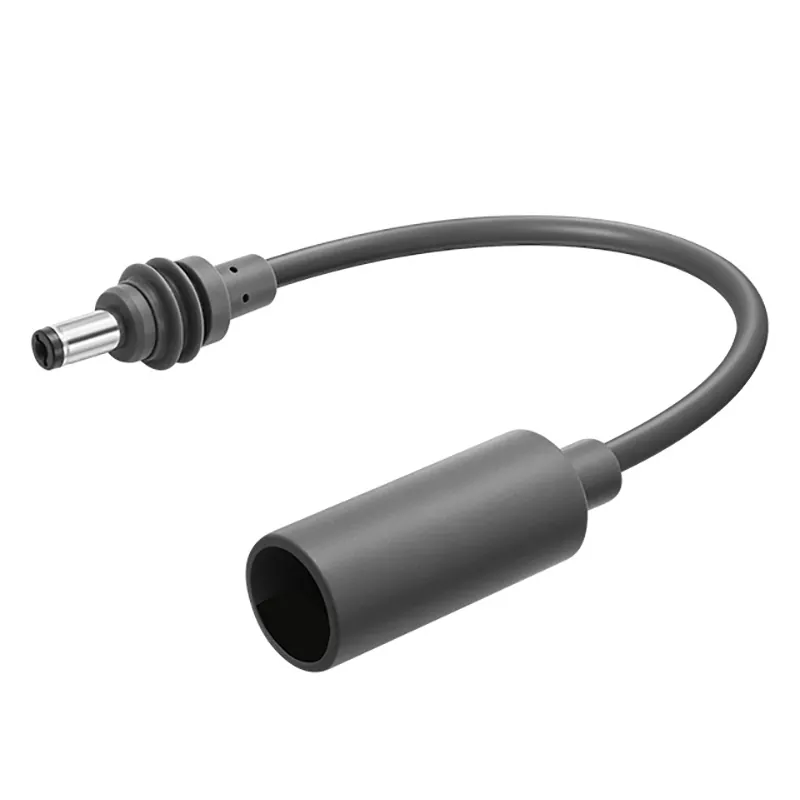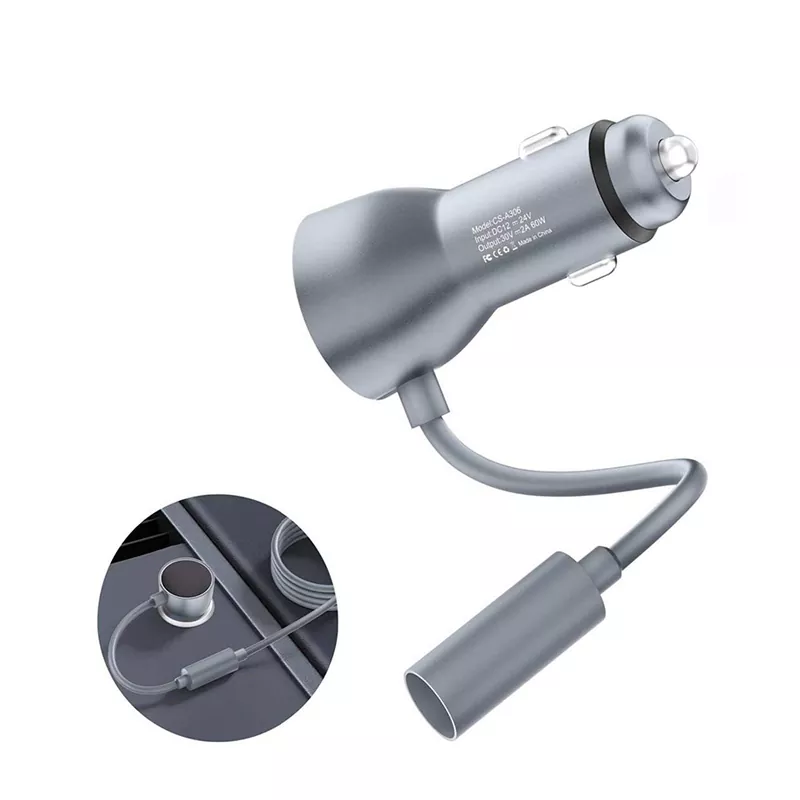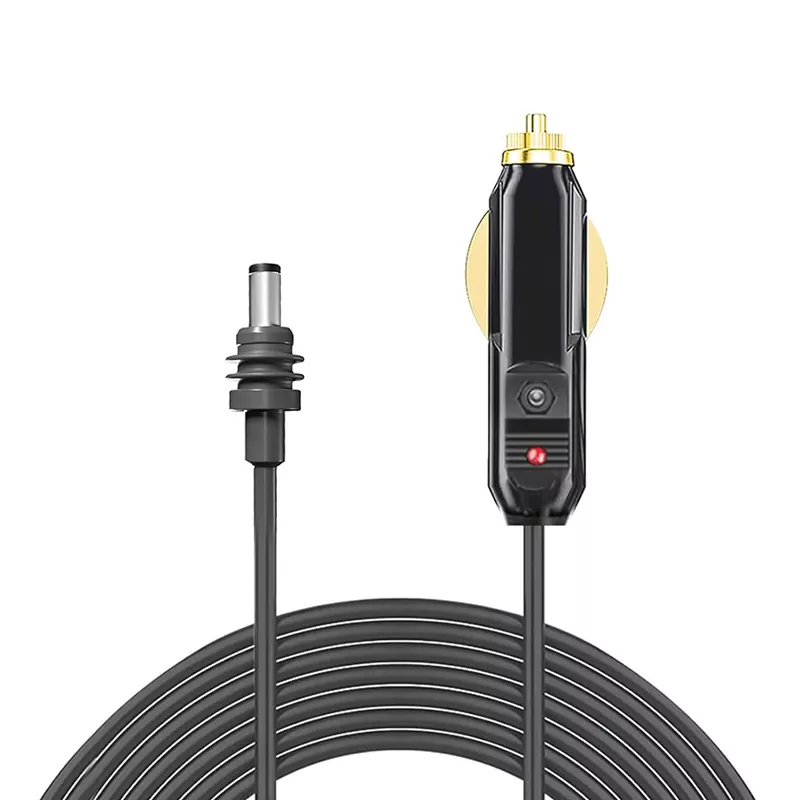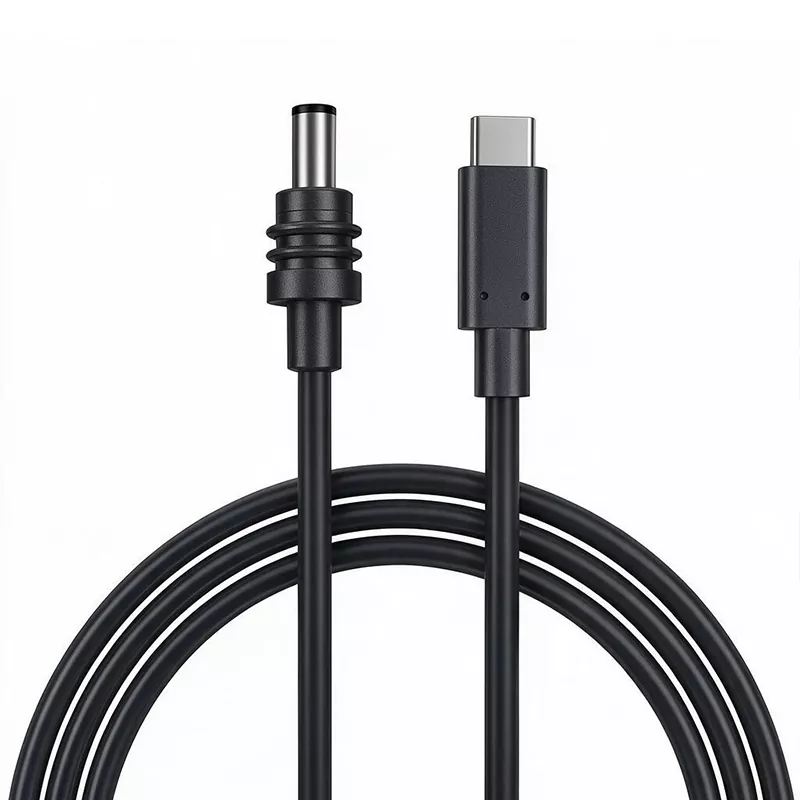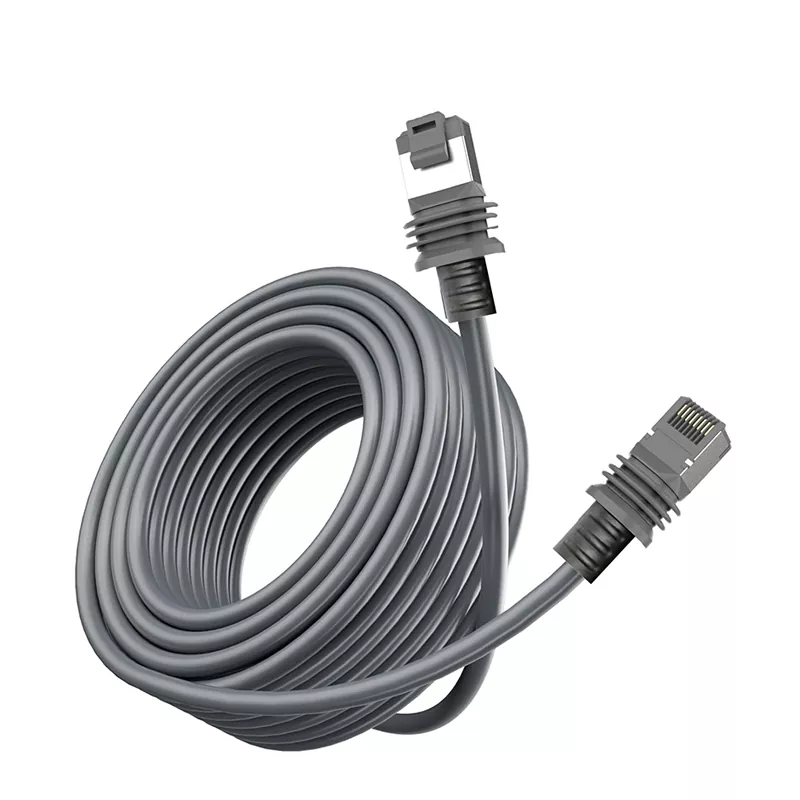
TLD Electronics provides Starlink Ethernet Cables for satellite internet installations that require a reliable Ethernet connection between compatible Starlink equipment and network devices. The product range can be configured for different cable lengths, conductor specifications, shielding structures, outdoor environments, and connector requirements.
Our cable solutions are suitable for residential, commercial, agricultural, mobile, and remote network installations. Depending on the Starlink system and project requirements, we support cable options for replacement, extension, equipment connection, and customized applications.
A Starlink Ethernet Cable is a network cable designed for use with compatible Starlink equipment and Ethernet-connected network devices. Depending on the Starlink hardware configuration, the cable can be used to connect Starlink equipment with routers, switches, Ethernet adapters, or other compatible networking equipment.
Unlike a standard indoor Ethernet patch cable, a Starlink Ethernet Cable used for outdoor deployment may require additional protection against moisture, UV exposure, temperature changes, mechanical stress, and electromagnetic interference.
The exact connector configuration and compatibility depend on the Starlink system, cable design, and installation method. Buyers should confirm the Starlink hardware version and required interface before selecting a cable.
|
Parameter |
Value / Description |
|
Conductor |
solid bare copper (standard); stranded (flexible version) |
|
Insulation |
Foamed PE, 0.8 mm thickness |
|
Shielding |
S/FTP (overall braid + foil per pair) |
|
Characteristic Impedance |
100 Ω ± 5 Ω |
|
Max DC Resistance |
≤ 9.38 Ω/100 m |
|
Capacitance |
≤ 5.6 nF/100 m |
|
Temperature Range (fixed) |
–40 °C to +80 °C |
|
Temperature Range (flexing) |
–20 °C to +60 °C |
|
Tensile Strength |
> 200 N |
|
Bend Radius (static) |
8 × cable outer diameter |
Different Starlink installations have different cable requirements. TLD Electronics can provide cable configurations according to application, length, environmental conditions, and connection requirements.
Designed for general network connections where standard cable construction and moderate installation conditions are sufficient.
Typical applications include home networks, office installations, and standard Starlink-to-router connections.
Designed for installations where the cable is exposed to sunlight, rain, temperature variations, or other outdoor conditions. Outdoor versions can be supplied with suitable jacket and protection structures according to the application.
For installations involving greater mechanical stress, longer outdoor exposure, or demanding routing conditions, a more robust cable construction may be selected.
Shielded construction can be used where electromagnetic interference is a concern, such as installations near electrical equipment, motors, communication equipment, or other potential sources of interference.
For OEM and project applications, TLD Electronics can provide customized cable lengths, connector configurations, jacket materials, colors, labeling, packaging, and other specifications according to confirmed requirements.
|
Standard / Certification |
Scope |
|
International cabling |
ISO/IEC 11801, TIA/EIA-568-C.2 |
|
Safety |
UL 444, CSA C22.2 |
|
Environmental |
RoHS, REACH |
|
Regional approvals |
CE (EU), FCC (USA) |
|
Quality management |
ISO 9001:2015 (factory) |
|
Starlink-specific |
Voltage drop < 3% at 100 W PoE |
|
Warranty options |
3-year / 5-year / 10-year certificates available |
For outdoor Starlink installations, the cable construction can be selected according to UV exposure, moisture, temperature, and mechanical requirements.
Different conductor gauges, shielding structures, jacket materials, and cable diameters can be configured for different installation conditions.
Standard cable lengths can be supplied for common installations, while customized lengths can be produced for specific routing distances and project requirements.
Connector and overmolding configurations can be selected according to the compatible Starlink system and the required connection method.
Cable structure, length, color, labeling, connector design, and packaging can be customized for distributors, integrators, and branded products.
Starlink Ethernet Cables are used in a variety of satellite internet and remote networking environments.
For connecting compatible Starlink equipment with routers or other Ethernet networking devices in homes and residential properties.
Suitable for farms, ranches, remote properties, and other locations where Starlink is used as the primary internet connection.
Outdoor network installations in agricultural environments may require additional protection against UV exposure, moisture, dust, temperature changes, and mechanical stress.
Suitable cable configurations can be used for mobile Starlink systems where cable routing space, flexibility, connector compatibility, and environmental exposure need to be considered.
Starlink can be integrated into temporary or permanent network infrastructure for remote offices, commercial sites, industrial facilities, and other locations without conventional broadband access.
Starlink Ethernet connections can be used as part of remote monitoring, communication, security, and off-grid network systems.
The connection procedure depends on the specific Starlink hardware and network configuration.
Check the exact Starlink model or kit before selecting the cable. Different generations and product configurations may use different cable assemblies, connectors, adapters, or connection methods.
Measure the actual routing distance between the Starlink equipment and the router, switch, adapter, or other network equipment. Avoid selecting a cable based only on nominal distance, especially for outdoor installations.
Confirm whether the installation requires a standard Ethernet connector, Starlink-specific connector assembly, adapter, or another interface.
For outdoor installations, avoid sharp bends, excessive pulling force, abrasion, water accumulation, and locations where the cable may be damaged by vehicles, machinery, or other equipment.
Where the connection is exposed to rain or moisture, use a suitable waterproof connector, sealing structure, or protective enclosure according to the product design and installation environment.
After installation, check the Ethernet link, power connection where applicable, and network performance. Any connection problem should first be checked for connector compatibility, cable damage, termination quality, and equipment configuration.
Just as HDPE pipes have PE grades, our Starlink Ethernet Cable comes in different category ratings:
|
Category |
Supported Speed |
Max Distance |
Shielding Type |
Best Application |
|
Cat5e |
1 Gbps |
100 m |
Basic |
Cost-effective general networking |
|
Cat6 |
10 Gbps |
55 m |
Improved crosstalk protection |
Most outdoor Starlink installations – good balance of cost & performance |
|
Cat7 |
10 Gbps |
100 m |
S/FTP (individual pair foil + overall braid) |
Longer runs with higher interference rejection |
|
Cat8 |
25/40 Gbps |
30 m |
Double shielding (maximum protection) |
Extremely noisy environments, short high-speed backbone links |
The key difference lies in bandwidth (frequency) and shielding complexity. When you choose our cables, we recommend Cat6 or Cat7 for most outdoor Starlink installations because they balance cost and performance. For extreme interference environments, our Advanced Starlink Ethernet Cable (Cat8) offers the ultimate protection.
Choosing the right cable should be based on the Starlink system, installation environment, and required network configuration.
Starlink System Confirm the hardware generation and interface before ordering.
Cable Length Select a suitable length based on the actual routing path and installation requirements.
Cable Category Choose the cable category according to the required Ethernet performance and the capabilities of the connected networking equipment.
Conductor Gauge The conductor size should be selected according to cable length, electrical requirements, flexibility, and the intended application.
Shielding Shielded construction may be preferred in environments with significant electromagnetic interference.
Jacket Material Outdoor installations may require UV-resistant, moisture-resistant, temperature-resistant, or mechanically reinforced jacket constructions.
Connector Design The connector must match the intended Starlink equipment or adapter. Compatibility should be confirmed before purchasing.
Starlink hardware versions can use different cable and connection configurations. Always confirm the compatible Starlink system, connector, and intended application before placing an order.
A cable that meets a general Ethernet category does not automatically mean it is suitable for every Starlink connection. Physical connector design, weather sealing, electrical characteristics, and system compatibility also need to be considered.
For exposed installations, cable selection should take into account UV radiation, rain, moisture, temperature changes, abrasion, and mechanical loading.
Extending or modifying a Starlink cable can affect physical protection, waterproofing, electrical performance, or equipment compatibility. Any extension or termination should be designed for the specific application rather than relying on a generic Ethernet connection.
Cable performance, temperature range, waterproof protection, conductor gauge, shielding, and connector configuration vary by model. The final specification should be confirmed from the selected product's technical documentation.
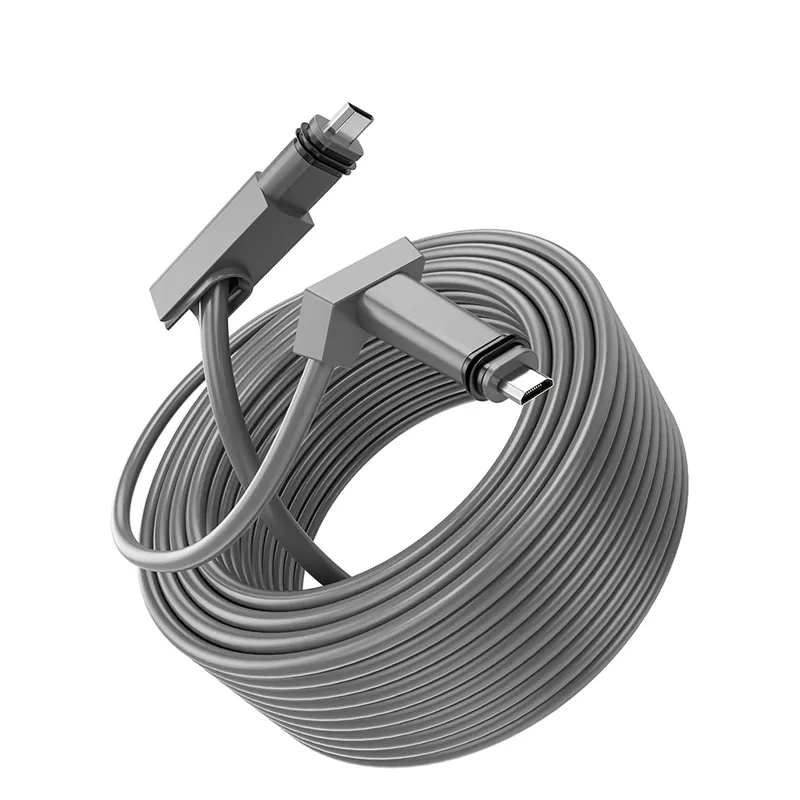

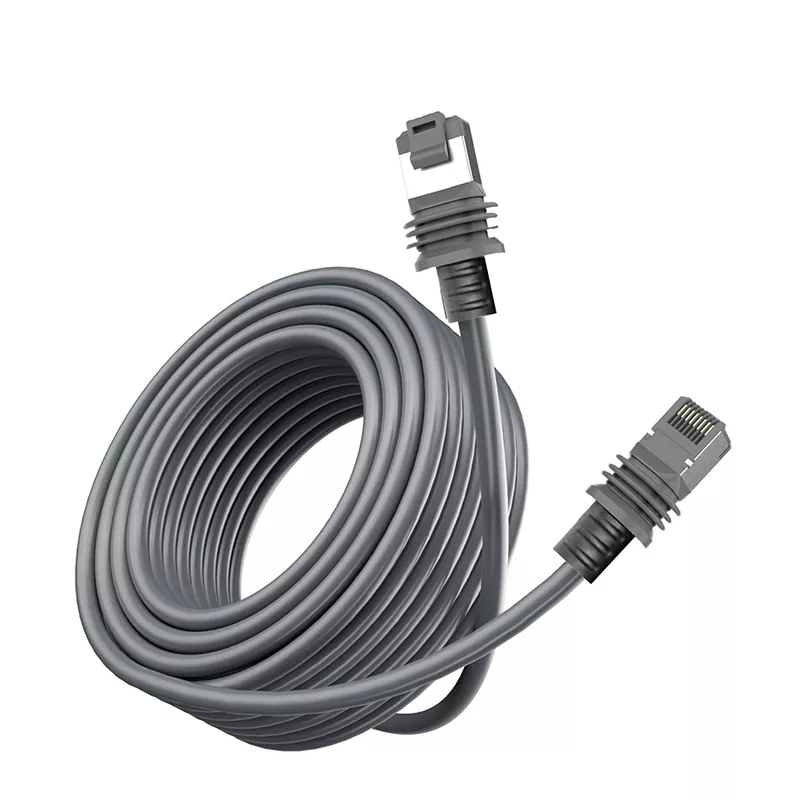

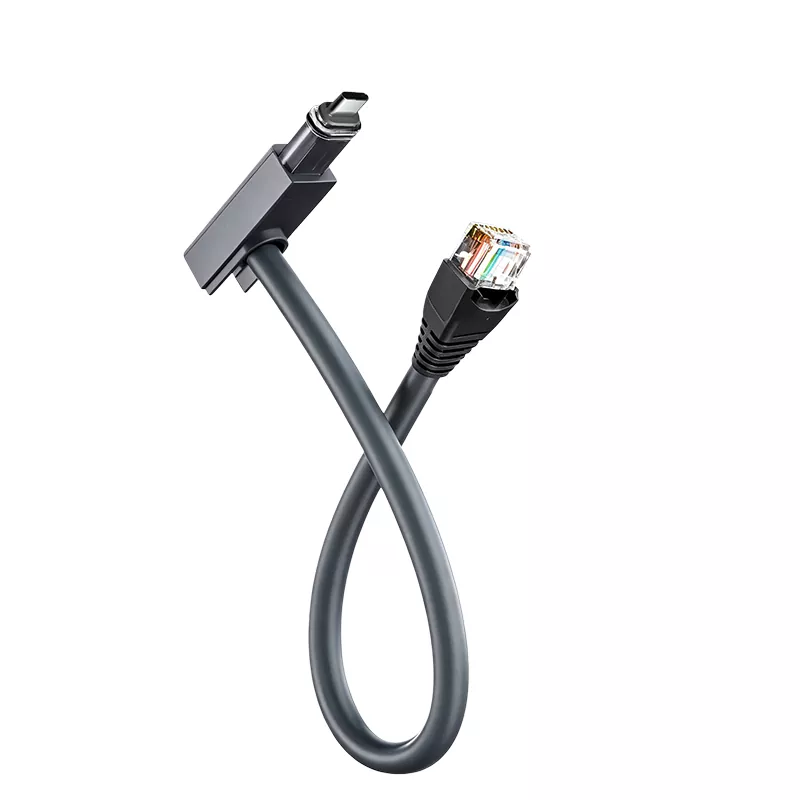

TLD Electronics focuses on connectivity products for networking, computer, audio/video, and specialized cable applications. For Starlink Ethernet Cable projects, we provide product configurations based on the actual installation requirements rather than using one cable construction for every application.
We can evaluate cable length, installation environment, connector requirements, shielding, jacket construction, and other project specifications to help determine a suitable cable configuration.
Cable length, connector configuration, cable color, labeling, overmolding, and packaging can be customized according to confirmed requirements.
Our products are suitable for distributors, importers, system integrators, installers, OEM customers, and other commercial buyers.
Product specifications and applicable testing requirements can be confirmed according to the selected cable construction and target market. Relevant technical documents and test reports can be provided where available.
We can support standard bulk packaging as well as customized packaging for distribution and private-label projects.
In addition to Starlink Ethernet Cables, TLD Electronics supplies HDMI Cables, DisplayPort Cables, USB Cables, Computer Monitor Cables, Patch Cords, Fiber Optic Cables, and other connectivity products.
Compatibility depends on the Starlink hardware and connection configuration. The connector type, cable structure, weather protection, and electrical requirements should be checked before using a third-party cable.
The appropriate category depends on the connected equipment, required network performance, cable length, and installation environment. Cat5e and Cat6 are common Ethernet cable categories, while the actual choice should be based on the complete system requirements.
Yes, provided that the selected cable is designed for the intended outdoor conditions. UV resistance, moisture protection, temperature range, jacket material, and connector sealing should be considered.
Customization can include cable length, conductor specifications, shielding, jacket material, color, connector configuration, labeling, overmolding, and packaging, depending on the project.
For an accurate quotation, provide the Starlink system or equipment model, required cable length, connector configuration, installation environment, quantity, packaging requirements, and any specific certification or testing requirements.