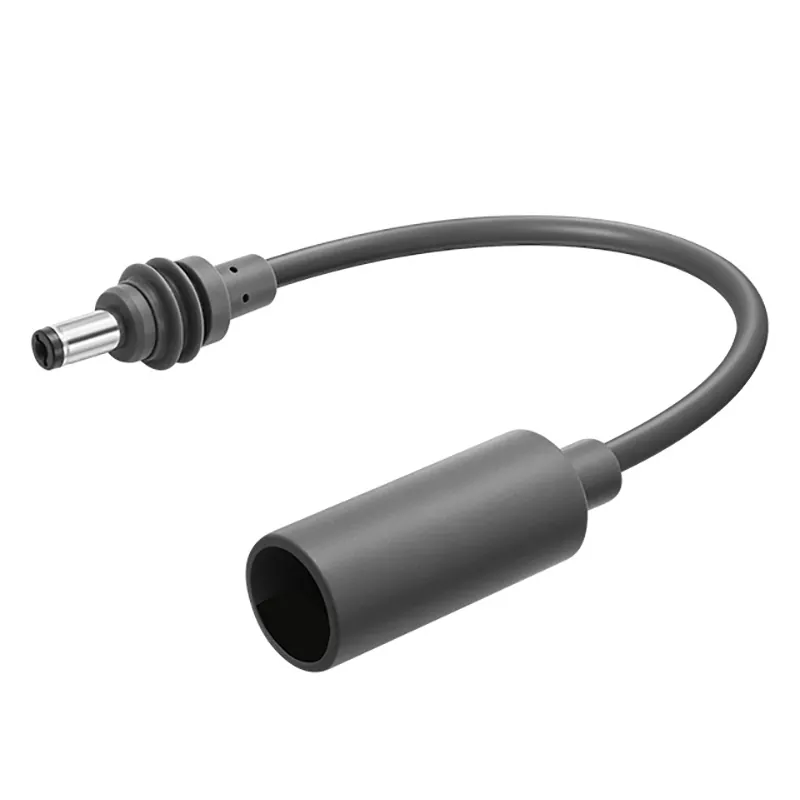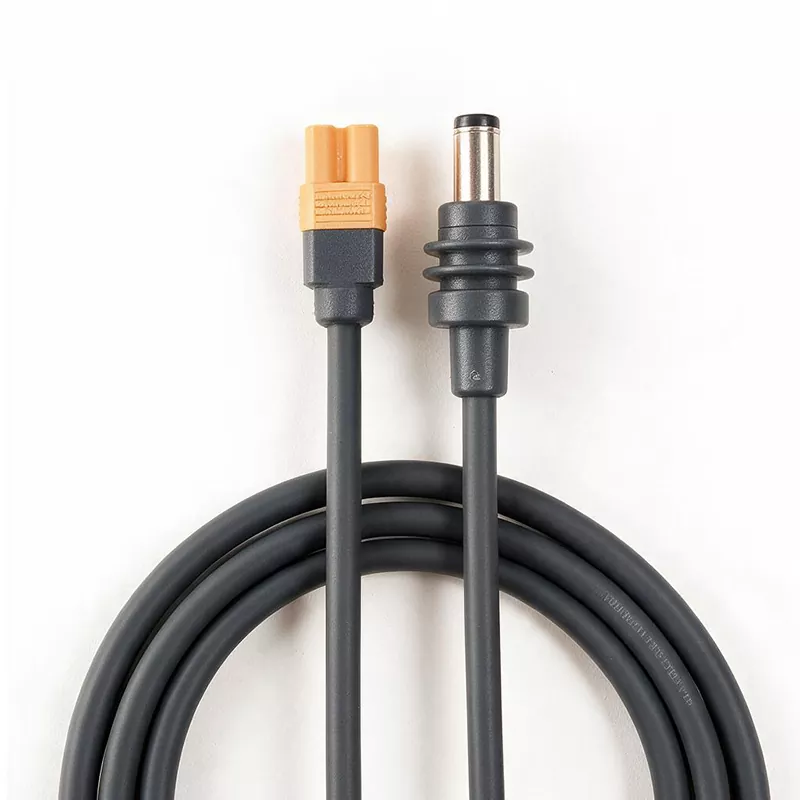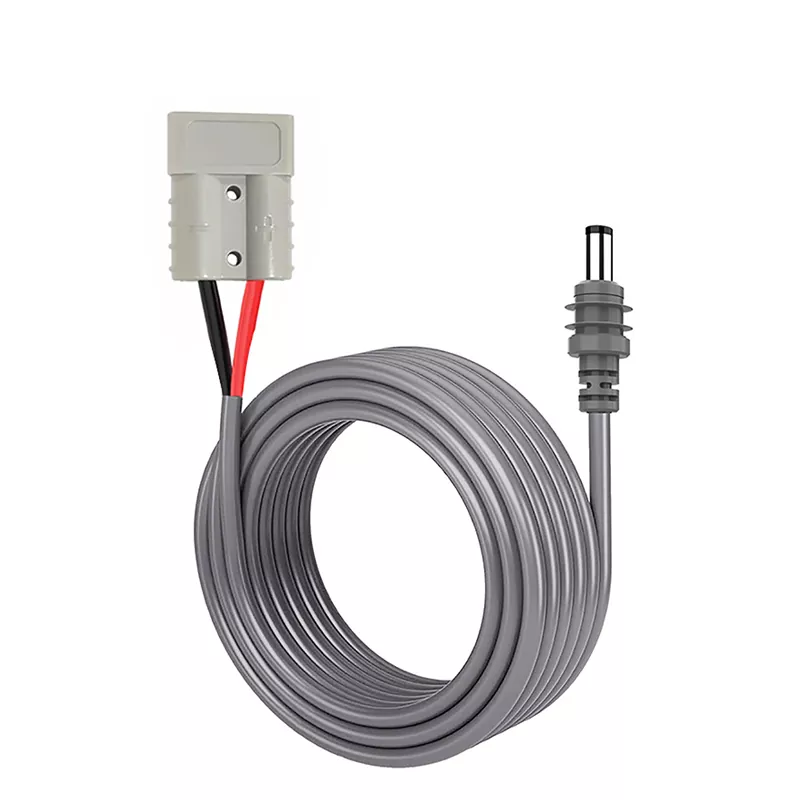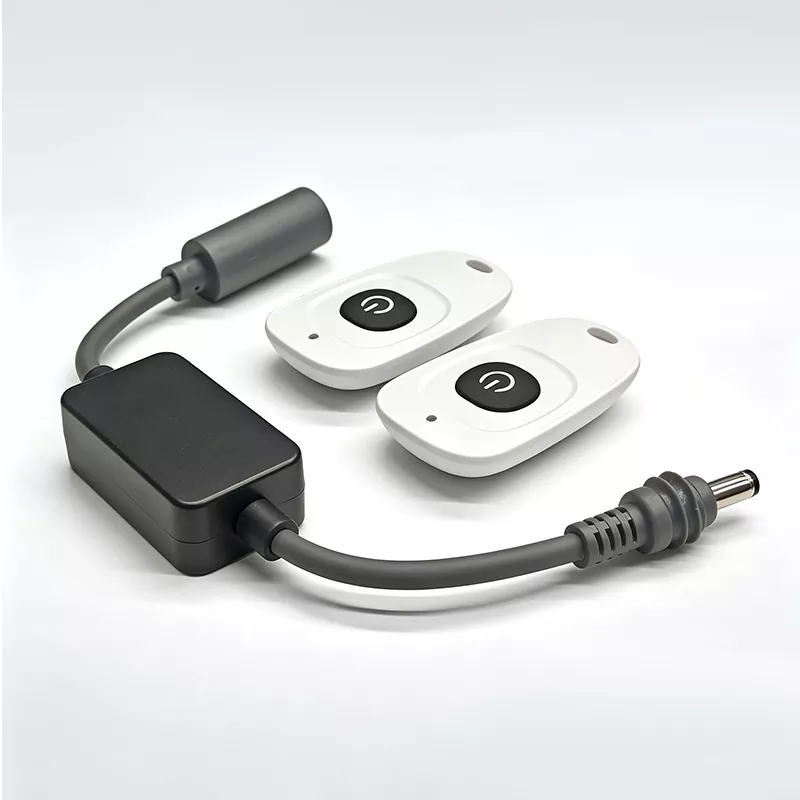

A DC Male to Female 433MHz Remote Control Switch provides a convenient way to control compatible DC-powered equipment wirelessly. Instead of physically operating a switch or running a control cable to a device, users can send a wireless signal through a 433MHz remote transmitter to a receiver module connected between a DC power source and the load. This arrangement is useful for lighting, small electrical equipment, access systems, automation projects, control panels, and other low-voltage applications.
However, choosing and installing a wireless switch involves more than simply matching male and female DC connectors. Voltage, current, connector polarity, receiver output configuration, operating distance, environmental conditions, interference, and load characteristics can all affect performance. This guide explains the essential technical considerations so buyers, installers, and system integrators can avoid compatibility problems and build a more reliable wireless control solution.
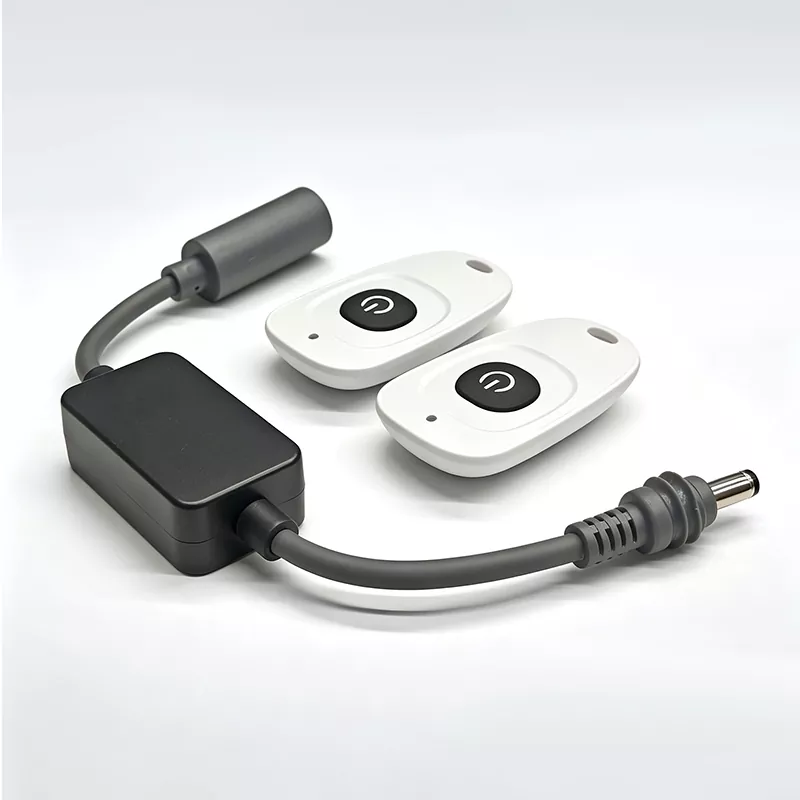
A DC Male to Female 433MHz Remote Control Switch is a wireless switching assembly designed to control a DC electrical load remotely. It commonly incorporates DC male and female connectors together with a 433MHz wireless receiver and remote transmitter. The connector arrangement allows the device to be integrated into an existing DC power circuit without requiring extensive rewiring.
The basic concept is straightforward: the DC power source supplies electricity to the switching module, while the 433MHz remote control provides the wireless command. When the receiver recognizes the correct signal, its internal switching circuit changes state and controls power delivered to the connected load.
This design can solve several common problems. Equipment may be installed in locations that are inconvenient to access, a physical switch may be difficult to mount, or users may need to control several devices from a distance. A wireless DC switching solution can reduce cable routing and make day-to-day operation more convenient.
The operating process generally consists of four stages: transmitting, receiving, decoding, and switching. When a button on the remote control is pressed, the transmitter generates a coded radio-frequency signal around the 433MHz band. The receiver module listens for the corresponding signal and checks whether it matches its programmed control code.
After successful recognition, the receiver activates its switching circuitry. Depending on the product design, this may turn the connected DC load on or off, change between different operating states, or trigger a momentary output.
Sends the wireless command.
Carries the coded control information.
Receives and validates the signal.
Controls power to the connected load.
Actual performance depends on the transmitter power, receiver sensitivity, antenna design, installation environment, obstacles, electrical noise, and the specific 433MHz protocol used by the equipment.
| Component | Function | What to Check |
|---|---|---|
| DC Male Connector | Connects to a compatible DC socket or cable. | Size, polarity, current rating. |
| DC Female Connector | Provides the connection to the DC load. | Matching plug dimensions and polarity. |
| RF Receiver | Receives remote commands. | Frequency, range, coding method. |
| Switching Circuit | Controls current to the load. | Voltage and current capacity. |
| Remote Transmitter | Sends user commands. | Compatibility and operating distance. |
Electrical compatibility is one of the most important considerations when selecting a wireless DC switch. A product that fits mechanically may still be unsuitable electrically. Buyers should review the complete specification sheet rather than relying only on the product name.
The compact connector-based format makes this type of wireless switch suitable for many low-voltage control scenarios. It can be particularly useful where installing a new wired control line would increase installation time or create an inconvenient user interface.
Remote control of LED strips, lamps, cabinet lights, decorative lighting, and other compatible DC lighting products.
Convenient wireless control for selected low-voltage appliances and automation projects.
Useful for remotely switching compatible LED signs and display lighting.
A practical component for prototypes, hobby projects, educational systems, and customized controls.
Can be incorporated into suitable low-voltage control circuits where wireless activation is required.
Suitable for selected low-voltage auxiliary control applications after electrical and safety validation.
Installation should begin with the power disconnected. Before connecting anything, identify the DC power source, the controlled load, connector polarity, and the switch's rated voltage and current.
For individual projects, connector compatibility and electrical ratings are usually the first priorities. For OEM, wholesale, and system integration projects, additional factors such as customization, packaging, production consistency, quality control, and long-term supply capability become equally important.
| Requirement | Recommended Check |
|---|---|
| Electrical compatibility | Voltage, current, polarity, connector specification. |
| Wireless performance | 433MHz compatibility, range, antenna design, interference resistance. |
| Application environment | Temperature, moisture, dust, enclosure requirements. |
| Production requirements | MOQ, lead time, quality consistency, packaging, customization. |
A reliable supplier should be able to provide clear technical specifications and answer practical questions about connector sizes, electrical ratings, remote pairing, switching modes, production tolerances, and application limitations.
Wireless switches are generally straightforward to use, but installation mistakes and environmental conditions can cause unexpected behavior. The following checklist can help isolate common problems.
| Problem | Possible Cause | Suggested Check |
|---|---|---|
| No response | No power or incorrect pairing. | Check power supply and remote pairing. |
| Short operating range | Obstacles or RF interference. | Relocate receiver and inspect antenna placement. |
| Load does not operate | Wrong voltage, polarity, or overloaded output. | Verify electrical specifications. |
| Intermittent operation | Weak signal, unstable power, or interference. | Check power stability and RF environment. |
These advantages are especially valuable for retrofit projects, temporary installations, DIY electronics, and products where a clean external appearance is important.
Not necessarily. Sharing the same nominal frequency does not guarantee compatibility. The transmitter and receiver may use different coding methods, protocols, pairing procedures, or signal formats. Always confirm that the remote and receiver are designed to work together.
Yes. An incorrectly sized connector can create a loose connection, increased contact resistance, intermittent operation, or complete incompatibility. Both the outer diameter and inner pin dimensions should be checked where applicable.
It can control compatible DC LED lighting when the lighting voltage, current, connector configuration, polarity, and switching requirements fall within the product's specifications. Always check the load rating before installation.
Wireless range can be affected by walls, metal structures, electrical equipment, antenna orientation, installation location, battery condition, and radio interference. A stated range should generally be understood as a test-condition figure rather than a guarantee for every installation.
Suitability depends on the specific switch's voltage and current rating and the characteristics of the load. High-power or inductive loads may require a suitably rated relay, contactor, driver, or other control architecture instead of connecting the load directly to a small wireless switching module.
Buyers should ask about voltage and current ratings, connector specifications, wireless protocol, operating range, switching mode, quality inspection, sample availability, MOQ, packaging, customization options, production lead time, and after-sales technical support.
A DC Male to Female 433MHz Remote Control Switch can provide a practical wireless control solution for compatible DC-powered equipment. Its greatest value comes from combining simple DC connections with convenient radio-frequency control, making it useful in lighting, automation, signage, electronics, retrofit projects, and other low-voltage applications.
The key to reliable performance is proper compatibility. Before purchasing or installing a switch, verify the DC voltage, maximum current, connector dimensions, polarity, wireless compatibility, switching mode, environmental conditions, and expected operating range. For commercial and OEM projects, supplier capability, product consistency, customization support, and quality control should also be evaluated.
TLD Electronics (HK) Co., Limited can provide professional support for customers looking for DC switching components and wireless control solutions. If you are developing a new product, sourcing components for wholesale, or looking for a suitable configuration for a specific application, contact us with your required voltage, current, connector specification, control distance, quantity, and application details. A clear technical requirement helps the supplier recommend a more suitable solution and reduce compatibility issues before production.