
As 8K/16K ultra-HD display technologies accelerate their rollout and AI-powered terminals continue to penetrate the market, the global HDMI and USB cable industry ushered in a new wave of technological upgrades in the first half of 2026. At the same time, macroeconomic factors such as persistently high copper prices and supply-chain cost pressures have had a profound impact on the industry landscape. This article reviews the key changes of the past half-year from four perspectives – technology standard upgrades, industry leader movements, raw material costs, and industry exhibitions – to serve as a reference for buyers and industry peers.

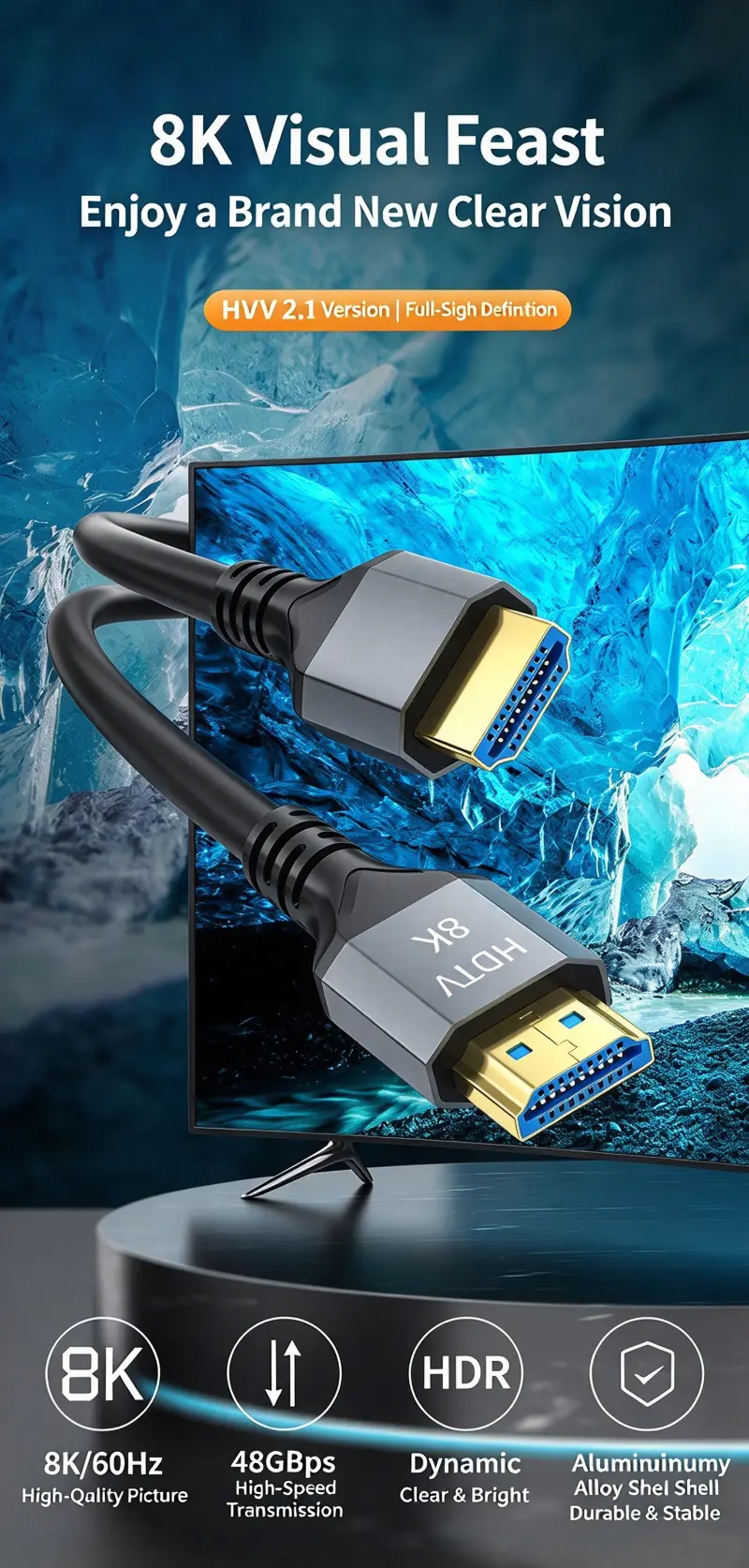
At the beginning of 2026, the HDMI Licensing Administrator (HDMI LA) formally announced the HDMI 2.2 standard at the CES show, doubling the maximum bandwidth from 48Gbps (HDMI 2.1) to 96Gbps. The new standard supports ultra-high-definition formats such as 4K@240Hz and 8K@60Hz, can handle resolutions up to 16K, and significantly improves HDR stability and Variable Refresh Rate (VRR) reliability. The first “Ultra96” certified cables, which support bandwidth levels of 64Gbps, 80Gbps, or 96Gbps, entered the market in the first quarter of 2026. HDMI LA also launched a new cable certification program, explicitly requiring Ultra96 HDMI cables to feature extremely low EMI radiation while maintaining backward compatibility with existing HDMI devices.
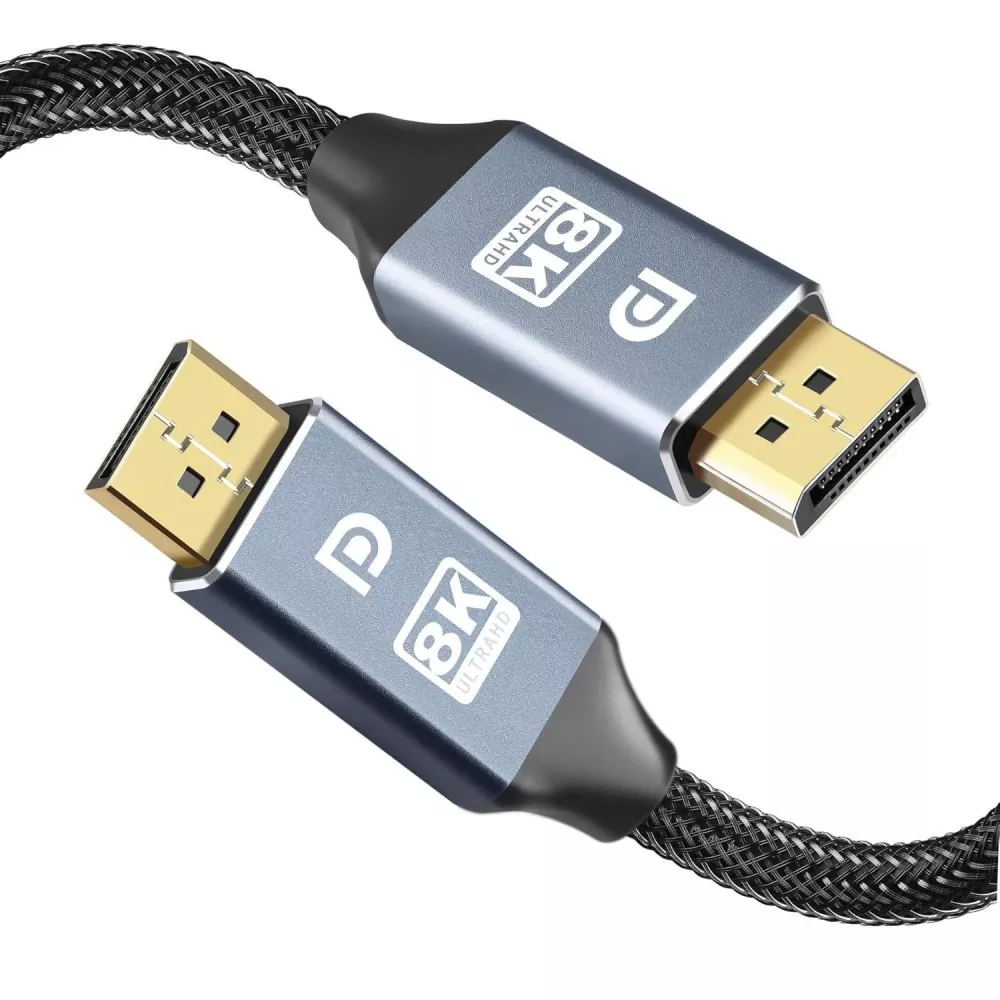
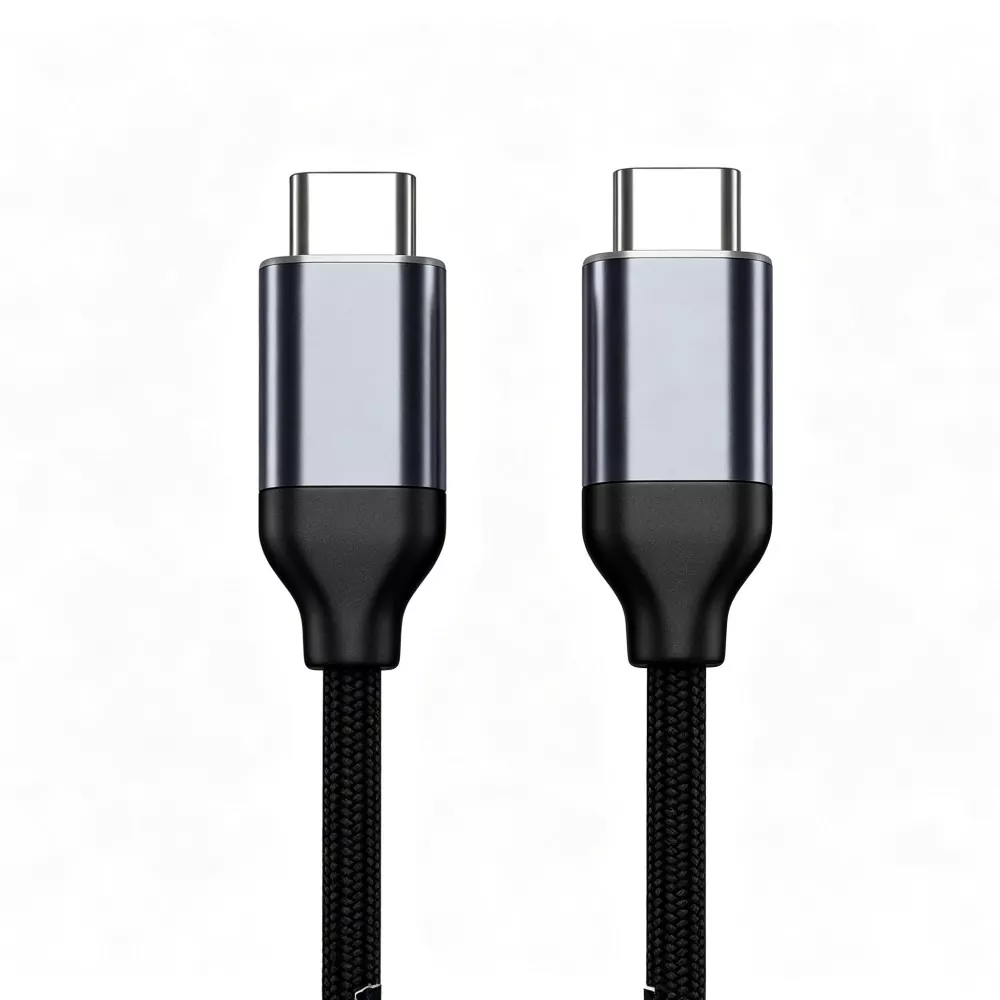
The technology race for high-speed transmission also heated up in the DisplayPort arena. In January, Luxshare Precision‘s 3-meter USB Type-C to DP80LL active cable became one of the world’s first products to pass VESA‘s official certification. Luxshare had previously overcome technical challenges related to USB4 and HDMI 2.2 connectors; the breakthrough in DP80LL further consolidates its leading position in ultra-high-frequency, large-bandwidth interconnect technology.
Implications for buyers: These standard upgrades mean that next-generation consumer electronics will require significantly higher technical performance from cables. Buyers should proactively assess their supply chain’s ability to adapt to new technologies and give preference to manufacturers that hold HDMI LA and USB-IF certifications, in order to prepare for future product iterations.
With the sustained boom in the global AI industry chain, high-speed data transmission cables – a critical part of the connectivity infrastructure – have attracted continued investment from industry leaders. Luxshare Precision‘s DP80LL certification, built on its LD active-technology, places it among the world’s first certified suppliers of 3-meter C-to-DP80LL cables, which can stably deliver 16K video transmission. The solution covers high-end applications such as e-sports, professional video studios, and high-precision medical imaging.
At the same time, China‘s 3C electronic accessory exports are shifting from a “broad-based volume” approach toward “brand-driven smart manufacturing.” Industry reports indicate that the global consumer electronics accessories market has moved beyond undifferentiated growth into a phase of structural growth, with niche segments such as portable energy storage and smart rings growing much faster than traditional markets. For cable manufacturers, the future competitive focus is no longer solely on production capacity and cost advantage, but increasingly on product definition capability, brand trust, and the maturity of global operational infrastructure.
Since the beginning of 2026, international copper prices have remained high, driven by global copper supply tightness, fluctuating expectations of US interest rate hikes, and other factors. As of June 12, the LME copper closing price was US$13,714/ton, and the SHFE copper closing price was 104,660 RMB/ton, representing a significant increase from the start of the year. Goldman Sachs raised its full-year 2026 forecast for average LME copper to US$10,650/ton, and multiple institutions predict that the supply-demand tightness will be difficult to ease throughout the year.
Macro research institutions point out that 2026 LME copper prices will show a “trend-driven rise led by supply-demand gaps,” with the annual average price expected to be around US$11,500/ton, peaking above US$13,500/ton, and volatility greater than in 2025.
On the demand side, the cable industry has shown stable performance. According to weekly industry reports, the operating rate of domestic cable manufacturers has reached a year-to-date high of approximately 71.03%, with a month-on-month continued recovery. The rising operating rates in the cable and wire industry reflect resilient downstream procurement demand.
Implications for buyers: Copper accounts for a significant portion of cable production costs. The current high copper price environment puts upward pressure on product costs. Buyers are advised to explore price-locking mechanisms, clarify pricing terms with suppliers (e.g., quarterly pricing, copper price adjustment mechanisms), and consider hedging tools such as copper futures to effectively manage procurement cost risks.
During the first half of 2026, professional exhibitions for the cable and connector industry were held intensively in Guangdong Province, providing important platforms for technical exchange and business networking. In March, the 17th Dongguan International Connector, Cable & Wire Harness and Processing Equipment Exhibition was held in Houjie, Dongguan. Leveraging Dongguan’s position as the manufacturing hub of the Guangdong-Hong Kong-Macao Greater Bay Area, the exhibition covered a full range of products including HDMI cables, USB cables, and AC/DC power cords, helping companies explore emerging markets.
In April, the International Connector & Harness Shenzhen (ICH Shenzhen) was held at the Shenzhen Convention & Exhibition Center in Futian. With the theme “Smart Industry, Connecting the Future,” the exhibition brought together approximately 1,200 exhibitors across 60,000 square meters of display space, gradually establishing itself as a “wind vane” for the wire-harness processing and connector industry. Industry professionals used these exhibition platforms to access the latest technical information and expand business cooperation opportunities.
Looking back at the first half of 2026, the high-speed transmission cable industry showed three major trends: accelerated technology iteration, rising technical barriers for industry leaders, and ongoing raw-material cost pressures. With the full rollout of HDMI 2.2 and Ultra96 certified cables, the cable industry is entering a new product-upgrade cycle. Manufacturers must continue to increase R&D investment, strengthen international certification systems, and optimize supply-chain cost management in order to seize opportunities in the fierce market competition.