
The third-generation Starlink system forces a familiar compromise on installers. You find a section of clear sky for the rectangular dish, then drill through the nearest wall to place the router. The problem? The ideal spot for the dish is rarely near the ideal spot for the router. As a result, the router often ends up in a garage, a utility closet, or the far corner of a living room—terrible locations for Wi-Fi propagation.
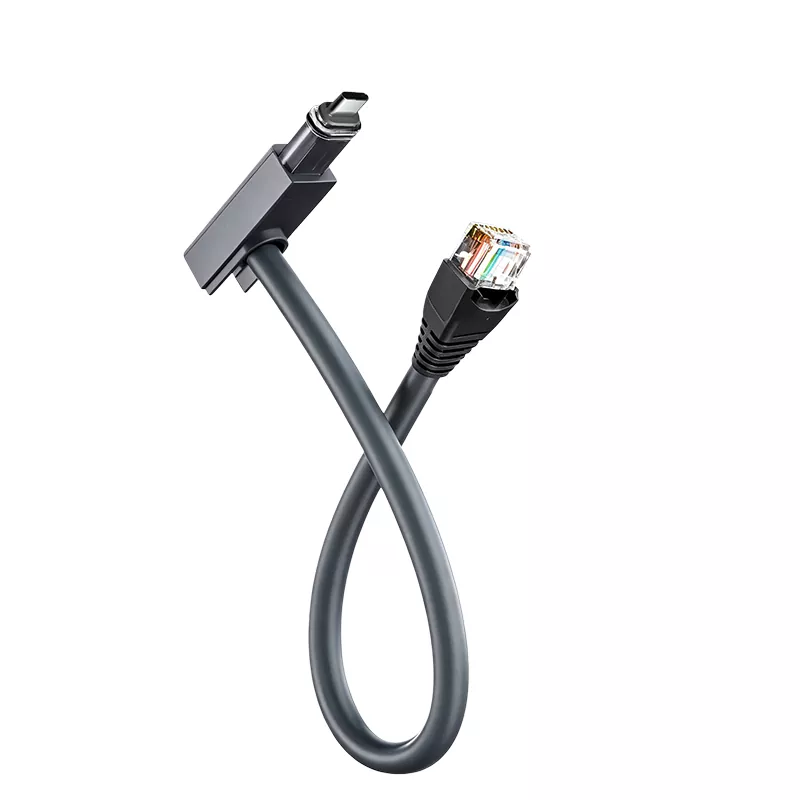
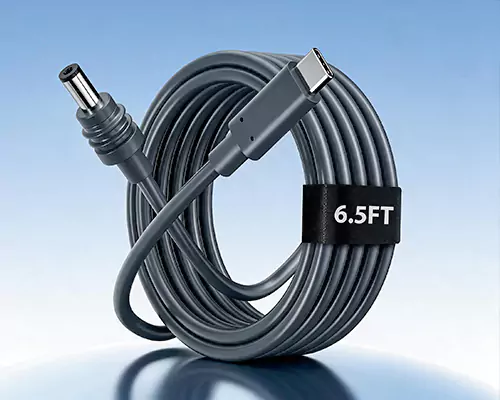
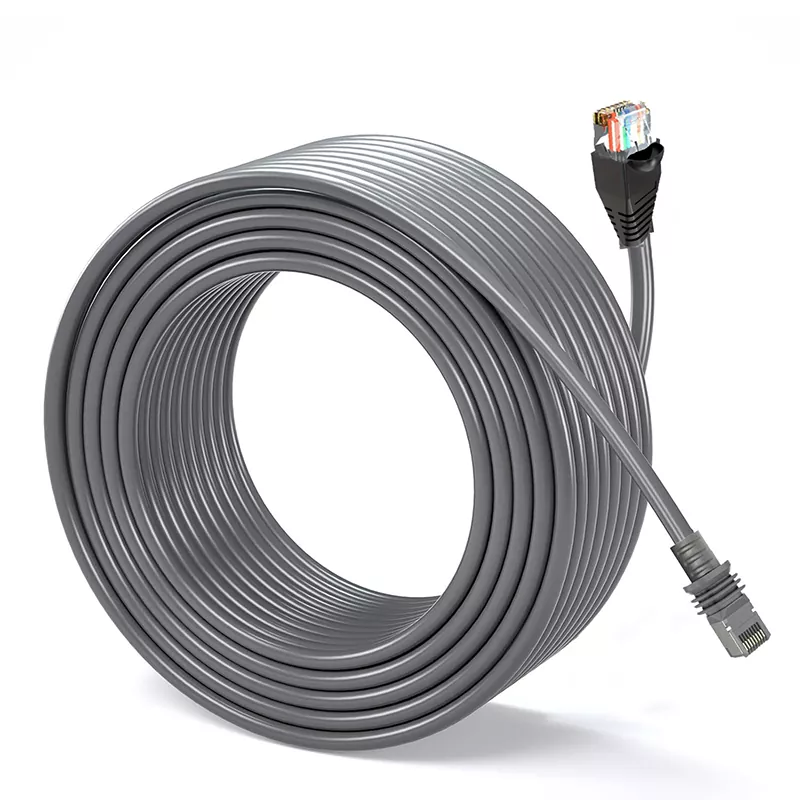
The culprit is usually the cable length. You are either restricted by a short factory cord that prevents you from reaching the center of the house, or you are fighting a massive spool of excess wire that acts as a giant antenna for electrical interference. A dedicated 10m Starlink Ethernet Gen 3 Cable fixes this geometry. It gives you approximately 33 feet of working length. That is enough distance to mount the dish away from roof obstructions while landing the router in a central room for optimal wireless coverage.
Standard equipment is built for averages. The stock cable included in the box is designed to work for a wide array of generic setups, which means it rarely fits a specific, permanent installation perfectly. Installers constantly battle the physical reality of managing incorrect cable lengths on site.
Using a cable that is too long creates a physical liability. Fifty feet of excess wire coiled on a roof or stuffed into a wall cavity creates a trip hazard and complicates weatherproofing at the wall penetration point. More importantly, large coils of energized data cable generate electrical cross-talk and invite interference from nearby power lines.
On the other end of the spectrum, cables that are too short force bad decisions. Buyers routinely sacrifice dish placement—accepting a partially obstructed view of the sky—just to get the router inside the house. Or they mount the dish perfectly but leave the router in an attic or basement, suffocating their Wi-Fi speeds behind layers of ductwork and insulation.
For most single-story residential installs and mobile setups, a 33 ft Starlink Gen 3 replacement cable is the exact sweet spot. It provides enough slack to form a proper drip loop—preventing rain from running down the wire and into your exterior walls—while allowing clean routing without leaving piles of unnecessary wire decaying in the sun.
The Gen 3 Starlink system relies heavily on consistent power delivery and high data throughput. The dish requires significant wattage to melt snow and actively track satellites, while the local network demands massive bandwidth to support 4K streaming, low-latency online gaming, and uninterrupted video conferencing. Hitting those performance metrics requires specific cable architecture built to strict tolerances.
Inside a high-quality 10m Starlink Gen 3 PoE cable, the conductors do the heavy lifting. We specify 26 AWG bare copper solid conductors for these runs.
Many cheap aftermarket cables use Copper-Clad Aluminum (CCA) to cut costs. CCA has significantly higher electrical resistance than pure copper. When you push Power over Ethernet (PoE) through aluminum, the cable heats up and the voltage drops. By the time the power reaches the dish, it might be insufficient for heavy load operations like the system's snow melt mode. Pure bare copper maintains voltage integrity over the entire 10-meter run.
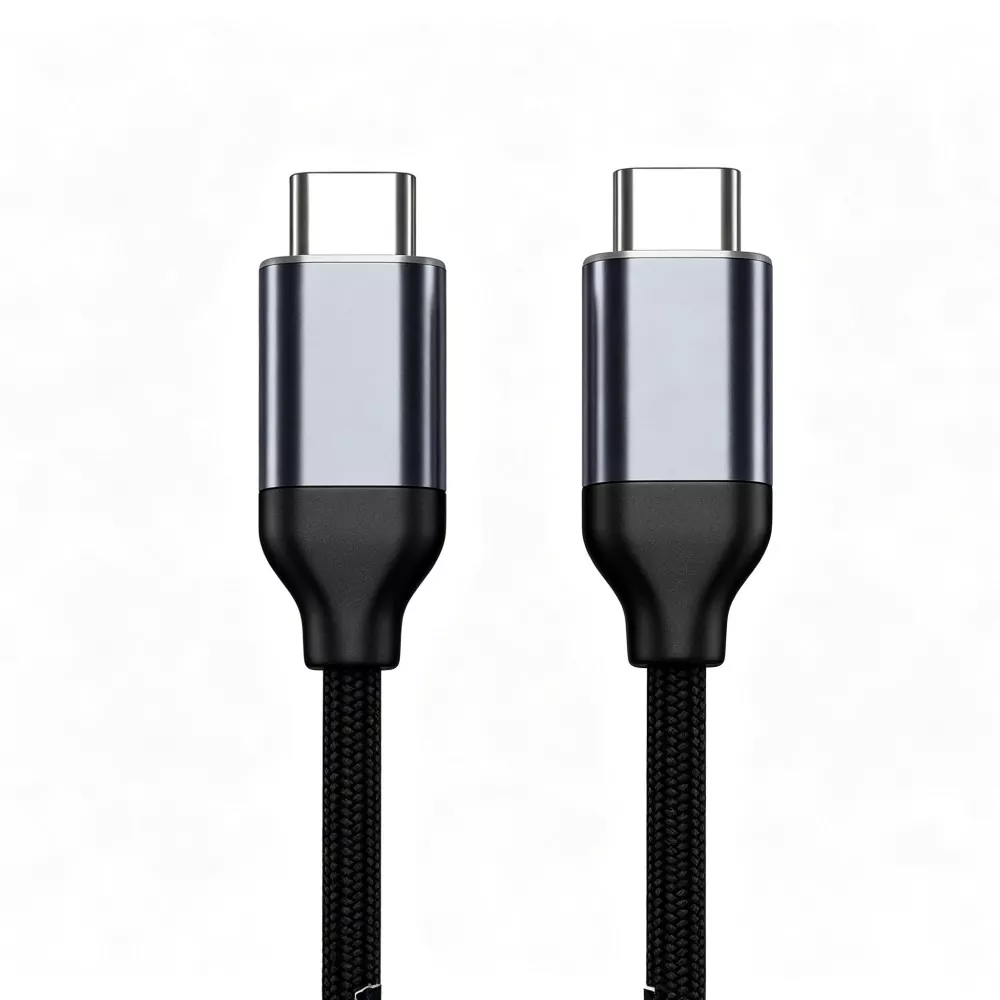
We also utilize a Cat6 STP Starlink Gen 3 cable design. The "STP" stands for Shielded Twisted Pair. Starlink cables frequently run parallel to existing home wiring, solar inverters, or RV power systems. These devices emit electromagnetic interference (EMI). Unshielded cables absorb this noise, leading to packet loss and dropped connections. The dense foil shielding in our construction reflects that interference, preserving the 10 Gbps data transfer rate even in electronically noisy environments.
A data cable is only as reliable as its outer jacket. Standard indoor Ethernet cables use basic PVC that breaks down rapidly under ultraviolet light. After a few months of direct sun exposure, the plasticizers in standard jackets evaporate. The jacket turns brittle, develops micro-cracks, and lets water inside.
Once moisture penetrates the twisted pairs, the cable's impedance changes. Network speeds throttle immediately, and eventually, the connection fails entirely. Water can also travel down the inside of a cracked jacket directly into the router or the dish port, destroying the hardware.
An outdoor rated Starlink Gen 3 cable utilizes a specially formulated jacket. This heavy-duty PVC compound resists UV degradation and withstands severe temperature fluctuations. It remains flexible in sub-zero freezing conditions and holds its structural integrity during summer heatwaves, sealing the internal copper away from the elements. This makes it a genuinely waterproof Starlink Gen 3 cable 33ft solution for permanent exterior mounting.
Different environments expose different flaws in network planning. A 10-meter length solves specific, recurring physical routing problems in the field.
Recreational vehicle owners face a unique networking challenge: packing and unpacking their gear at every single stop. Managing a 50-foot or 75-foot cable is miserable. It tangles easily, gets covered in mud, and takes up valuable, limited storage space in external compartments.
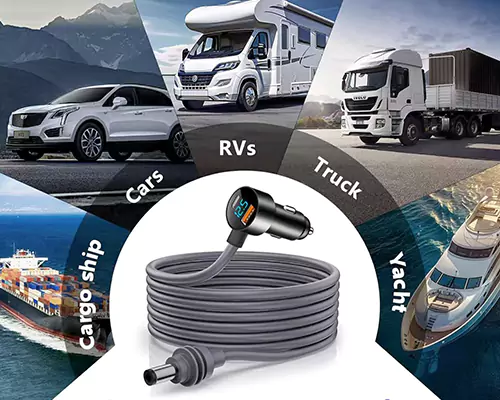
A Starlink Gen 3 RV ethernet cable at the 10-meter mark provides the exact distance needed to clear a camper van awning, get away from tall trees blocking the sky, and route back through a slide-out seal or dedicated access port. It keeps the campsite tidy. Because RV cables are constantly coiled, uncoiled, and dragged across gravel, the heavy-duty PVC jacket prevents the internal wires from snapping under repeated mechanical stress.
In a typical residential installation, the dish goes on the fascia board or a j-mount on the roof. The cable drops down the exterior siding and enters the house through a drilled hole.
With a Starlink V3 router cable 10 meters long, an installer can drop the line from the roofline, penetrate the exterior wall directly into a living room or central home office, and connect the router. This avoids the amateur mistake of leaving the router in the garage simply because the factory cable would not reach any further into the house. Moving the router out of the garage and into the living space instantly improves the local Wi-Fi network, eliminating dead zones without requiring expensive mesh repeaters.
Buyers often ask why they cannot just use cheap, off-the-shelf Cat5e or unshielded Cat6 cables spliced with adapters. The harsh reality of outdoor PoE networking makes standard IT data cables a terrible choice for satellite internet hardware.
Standard unshielded twisted pair (UTP) cables fail in three specific ways when adapted for Starlink systems:
Sourcing reliable networking equipment at scale requires a manufacturer that actually controls its own production floor. Established in 2008, TLD Electronics operates dedicated production facilities in Dongguan, Hunan, and Guizhou. We do not just assemble off-the-shelf parts; we engineer and extrude the wire.
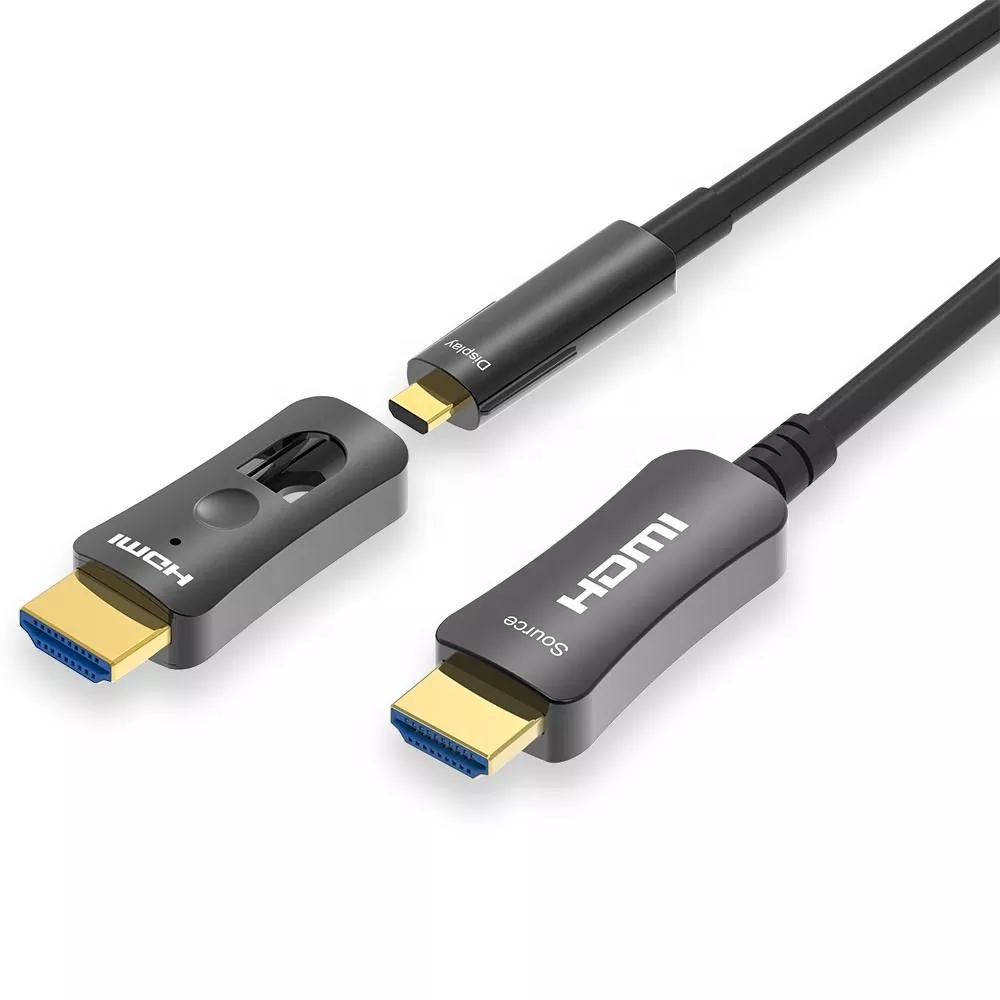
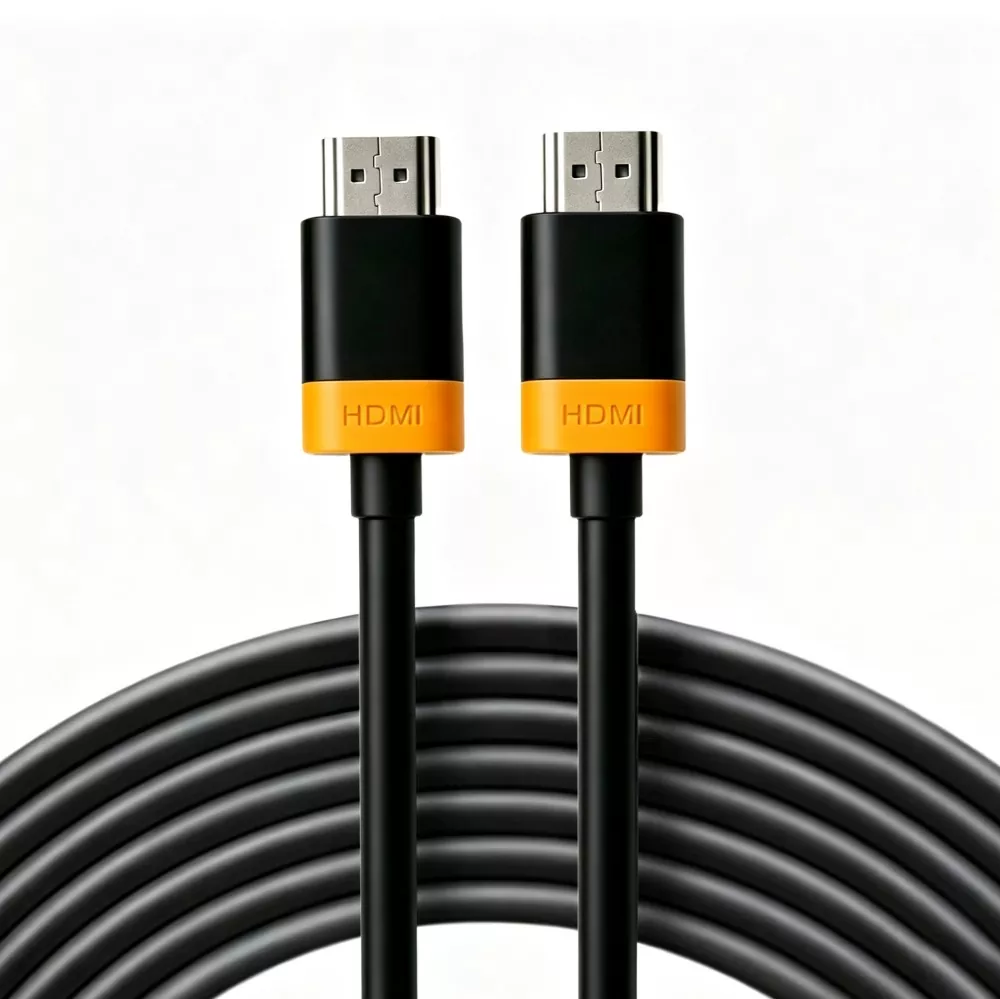
Our factory operations hold rigorous quality management certifications, including ISO 9001, ISO 14001, and IECQ QC 080000. We produce a comprehensive lineup of data transmission products, from HDMI and fiber optic cords to exact-spec satellite replacement cables. As an established OEM Starlink Gen 3 cable manufacturer, we understand the tight tolerances required by proprietary satellite hardware.
For system integrators, regional distributors, and professional installers looking to buy in bulk, consistency across batches is critical. Every 10m Starlink Ethernet Gen 3 Cable we export is built to exacting dimensions—guaranteeing the waterproof fit at the dish port and the 10 Gbps throughput on the wire.
If your operations require specific lengths, alternative jacket materials, or private labeling, our custom length Starlink Gen 3 cable supplier services are built for B2B scale. Stop compromising your field installations with generic, unshielded cables that fail in the weather. Equip your teams and your customers with the right length, the right copper, and the right shielding. Contact the TLD Electronics sales team directly to discuss bulk supply pricing and custom manufacturing requirements for your next deployment.
-