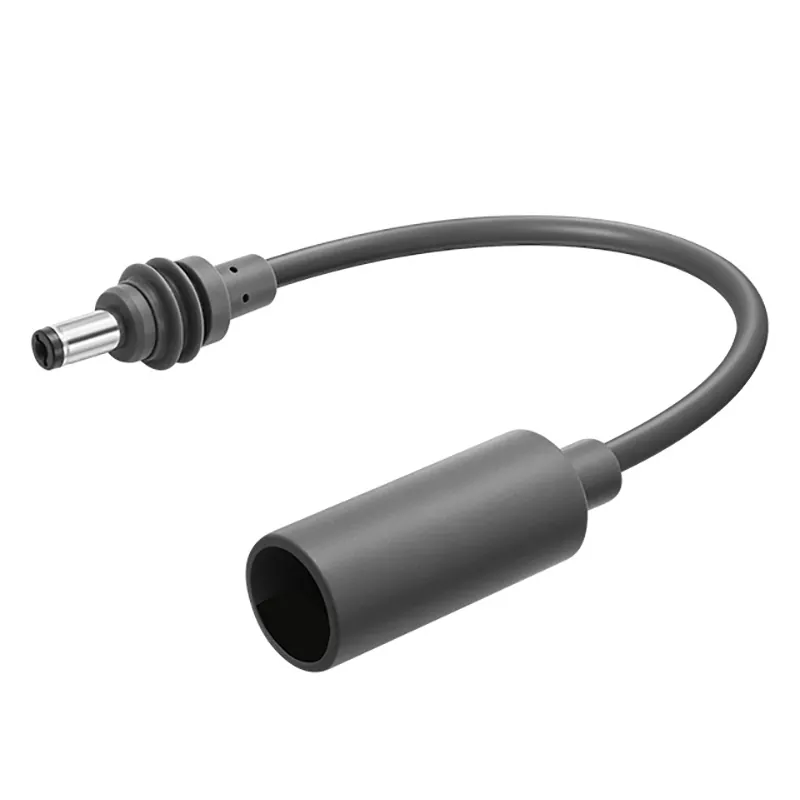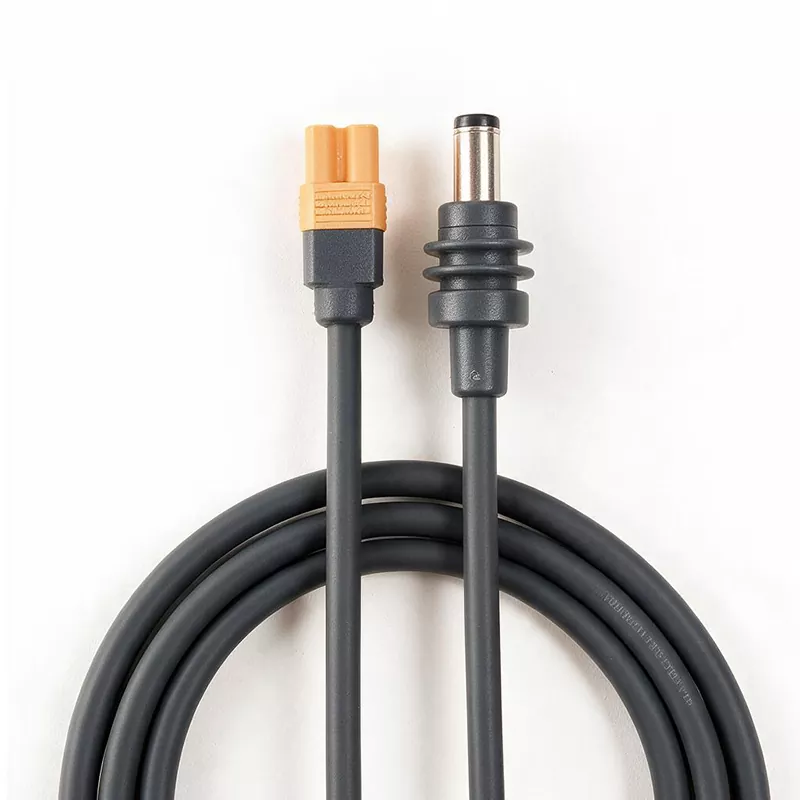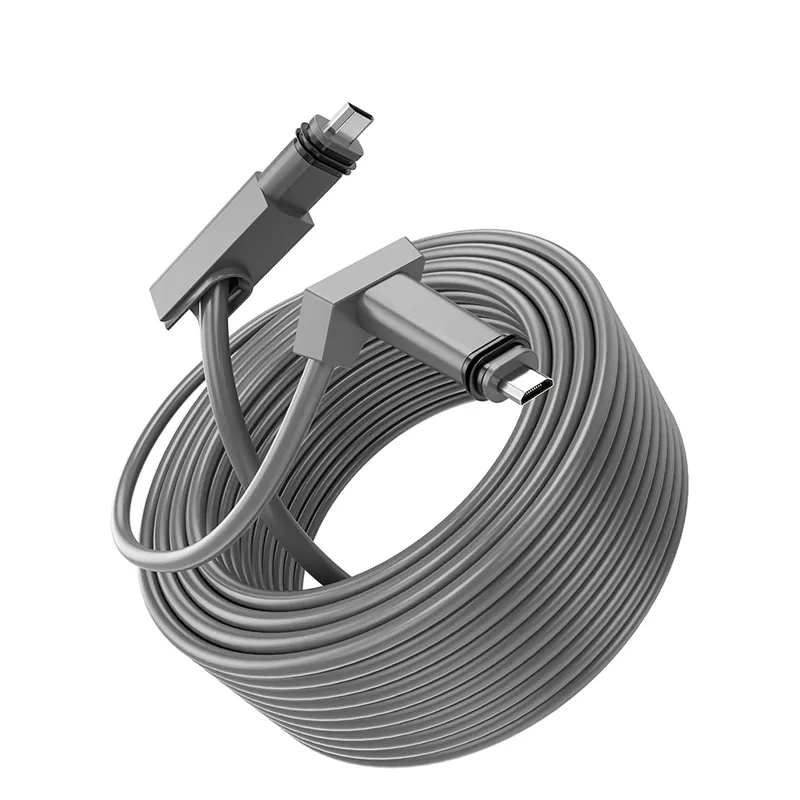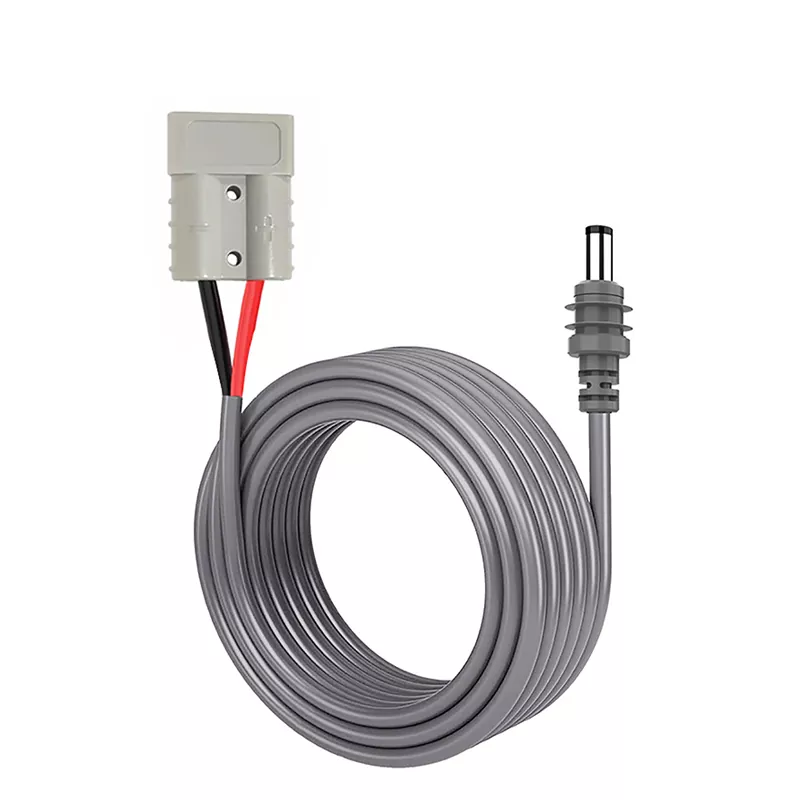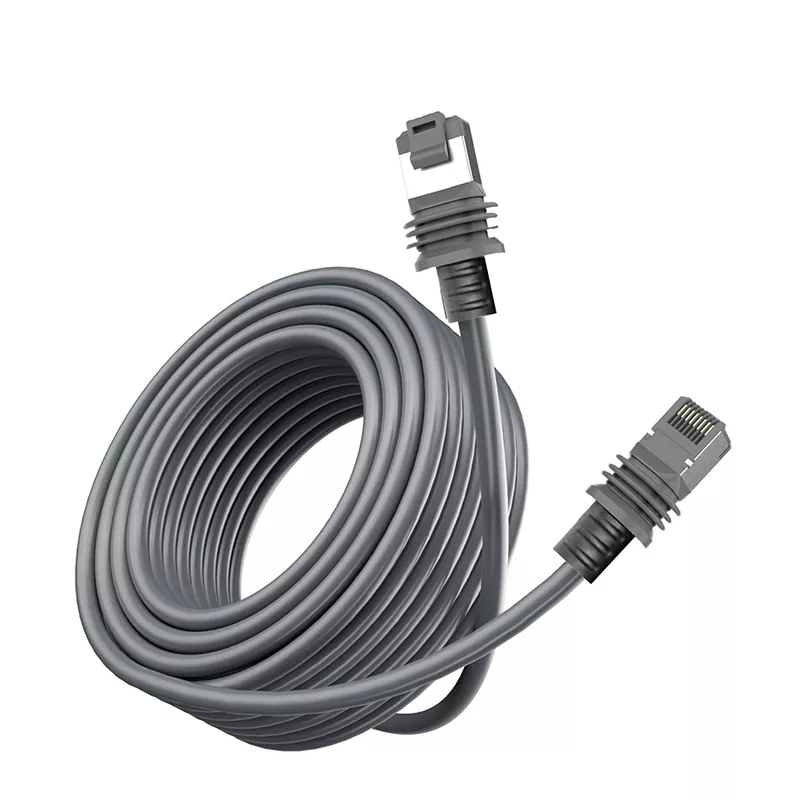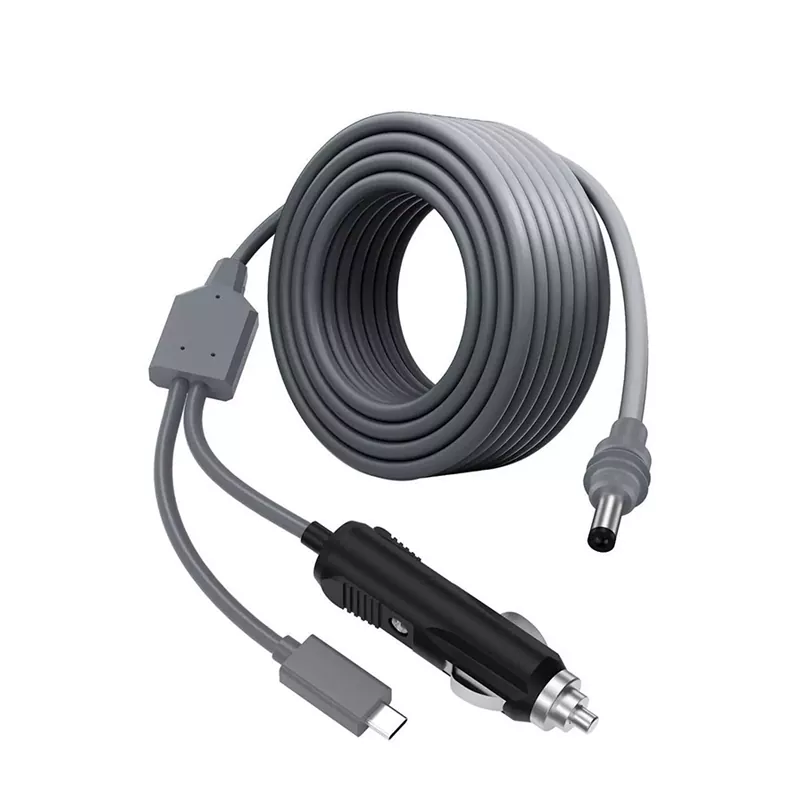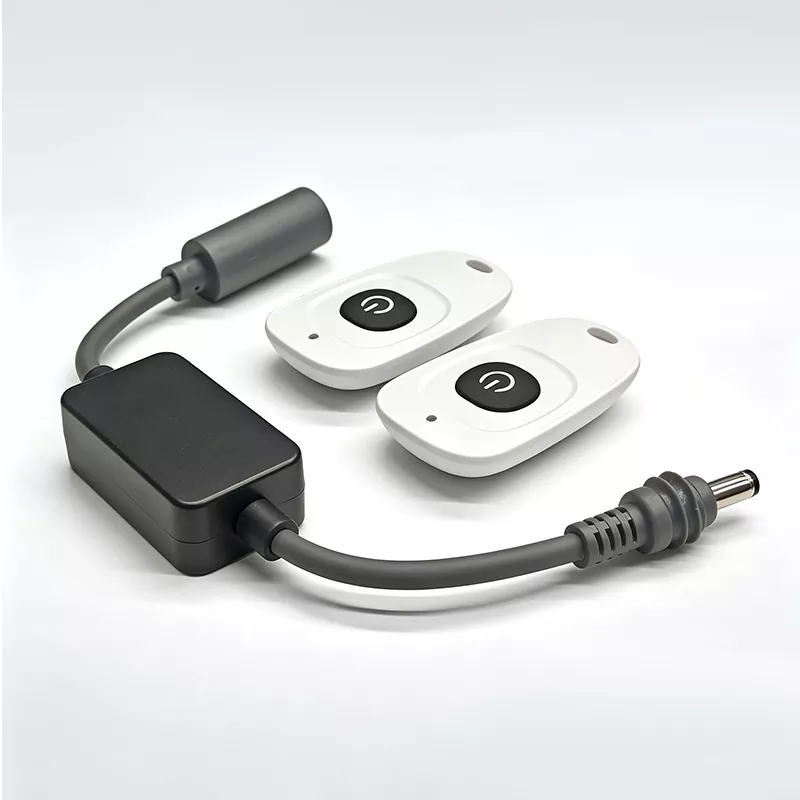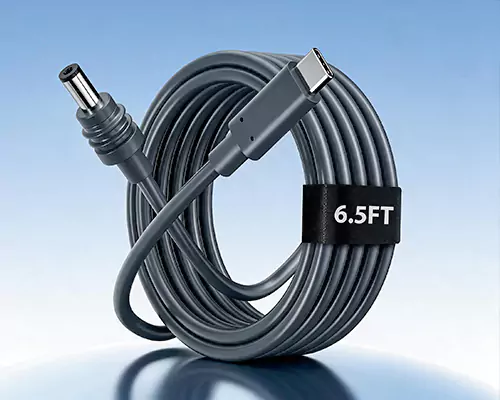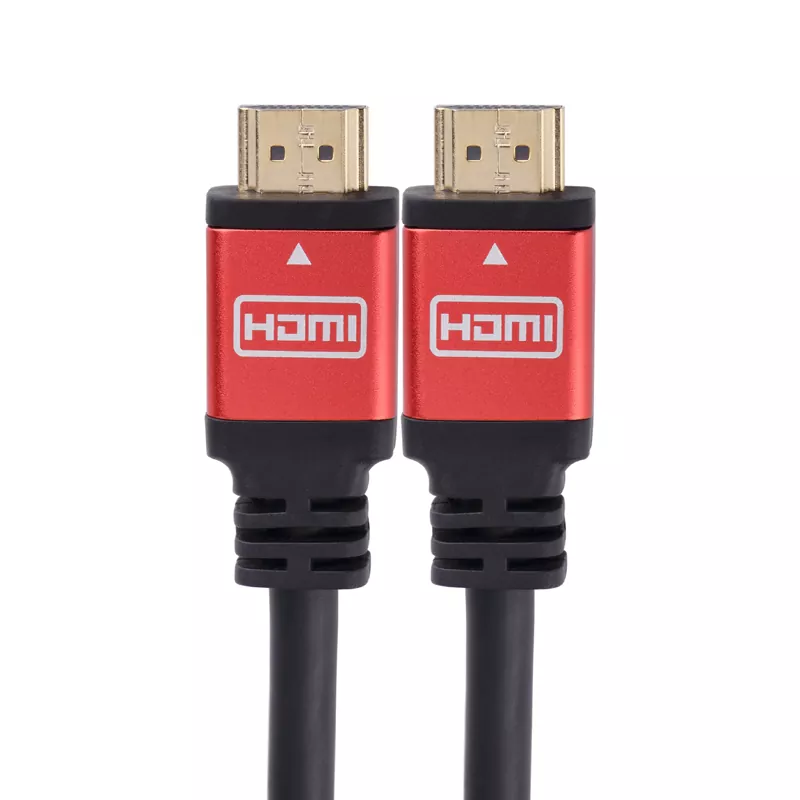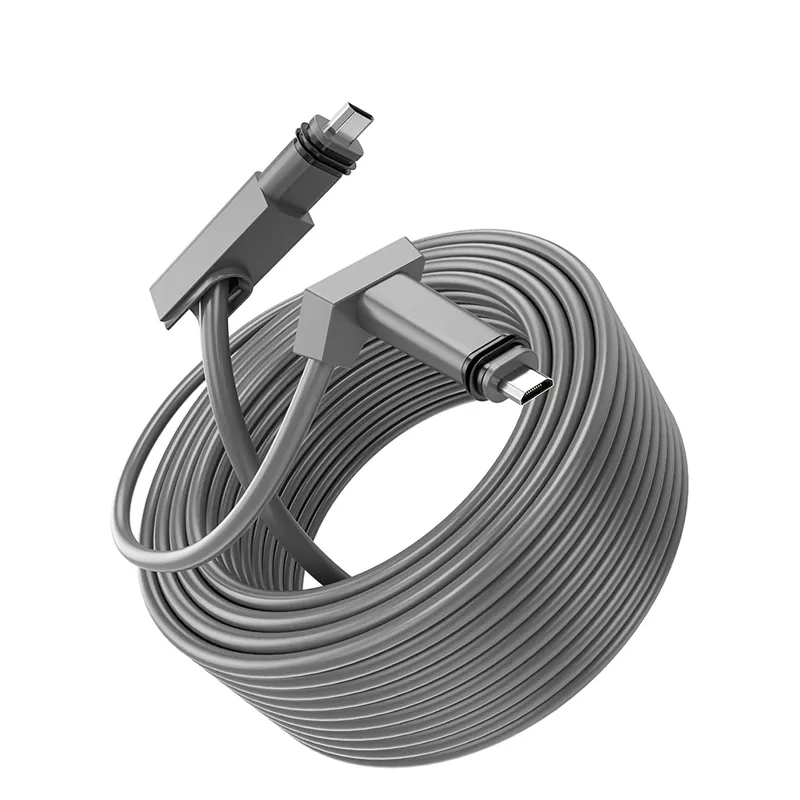

A Starlink DC to XT30 Cable is a specialized power cable designed to connect a compatible Starlink DC power interface with a power source or battery system using an XT30 connector. It can be useful in portable communications, RVs, emergency backup systems, solar-powered installations, robotics, drones, and other off-grid applications where conventional AC power is inconvenient or unavailable. The main engineering considerations are connector compatibility, voltage requirements, current capacity, polarity, cable construction, insulation, strain relief, and environmental conditions. Choosing the correct cable is particularly important because Starlink hardware varies by product generation and model. A properly designed cable can simplify DC power integration while reducing unnecessary conversion steps between a battery system and the communications terminal.
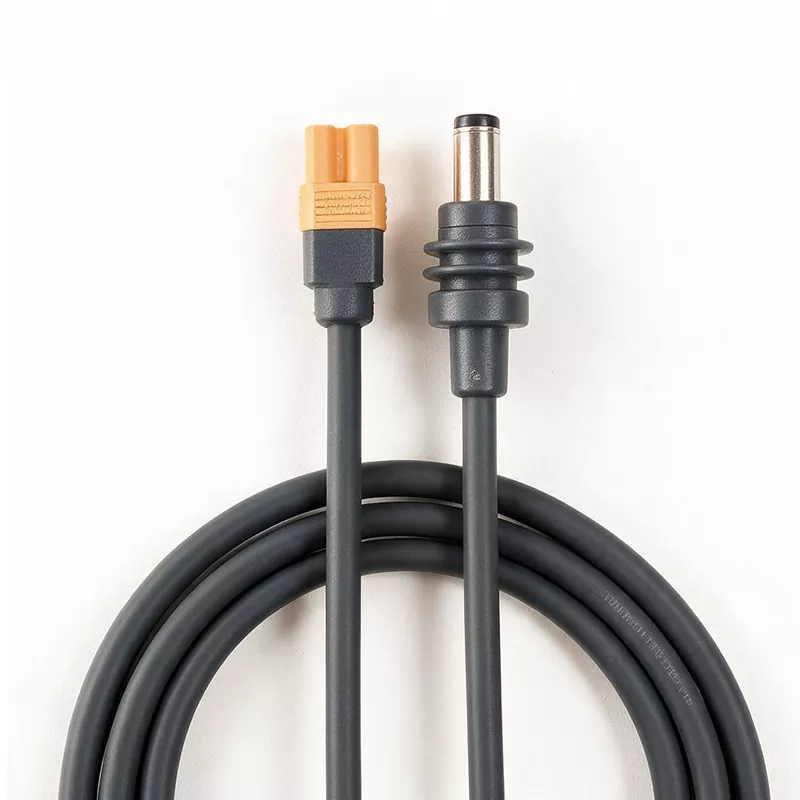
Table of Contents
- What Is a Starlink DC to XT30 Cable?
- Why Is Direct DC Power Useful for Starlink Systems?
- How Is the Cable Designed?
- Key Specifications to Check Before Purchasing
- Where Can a Starlink DC to XT30 Cable Be Used?
- What Problems Can the Right Cable Solve?
- How Should the Cable Be Installed?
- Starlink DC to XT30 Cable vs. Conventional AC Power Setup
- What Should Buyers Check Before Ordering?
- How Can Cable Reliability Be Maintained?
- Frequently Asked Questions
- Final Considerations
Article Outline
Understand the purpose of a DC-to-XT30 connection in a Starlink power system.
Review connector, conductor, insulation, polarity, and strain-relief considerations.
Explore RV, marine, emergency, solar, mobile, and industrial use cases.
Learn what buyers should verify before ordering cables in small or bulk quantities.
What Is a Starlink DC to XT30 Cable?
A Starlink DC to XT30 Cable is a power interconnection cable intended to bridge a compatible Starlink DC power connection and an XT30-style connector used by a battery, portable power system, or other DC source. The basic purpose is simple: transfer electrical power from a suitable DC source to the Starlink equipment without requiring an unnecessary AC inversion stage.
This type of cable is especially relevant to users who operate Starlink in locations where grid electricity is unavailable, unstable, or inconvenient. Instead of converting battery DC into AC and then converting it back into DC through a power supply, a properly engineered DC connection can create a more direct power path.
However, connector shape alone does not determine compatibility. Starlink products have different hardware configurations and power architectures. For example, Starlink Mini is specified with DC power and a 12–48V input range, with a 60W maximum input rating according to Starlink's published specifications. Buyers should therefore verify the exact Starlink model and its electrical requirements before selecting a cable.
Why Is Direct DC Power Useful for Starlink Systems?
Many mobile power systems are based on batteries that naturally provide DC electricity. Solar panels, lithium battery packs, vehicle electrical systems, portable power stations, and backup battery systems all commonly rely on DC power internally.
A conventional setup may require a battery to feed an inverter, the inverter to provide AC power, and a power adapter to convert AC back to DC. Every conversion introduces additional hardware, wiring, heat, and potential energy loss.
A suitable direct-DC connection can simplify the architecture. For applications where energy efficiency, compactness, and battery runtime matter, eliminating unnecessary conversion stages can make the overall system easier to manage.
- Supports integration with compatible DC battery systems.
- Can reduce the number of conversion components in a mobile setup.
- Helps create a cleaner and more compact cable arrangement.
- Can be useful for solar-powered and vehicle-based systems.
- Provides a practical connection method for portable communication equipment.
How Is the Cable Designed?
A reliable Starlink DC to XT30 Cable is more than two connectors joined by a pair of wires. Its construction must be matched to the electrical and environmental requirements of the intended application.
| Component | Function | Why It Matters |
|---|---|---|
| Starlink-side connector | Interfaces with compatible Starlink equipment | Must match the exact device and connector configuration |
| XT30 connector | Connects to a compatible DC power source | Polarity and mating configuration must be correct |
| Copper conductors | Carry DC current | Wire size affects voltage drop and thermal performance |
| Insulation jacket | Protects conductors | Important for abrasion, temperature, moisture, and outdoor use |
| Strain relief | Reduces mechanical stress at the connector | Helps prevent premature cable or terminal damage |
Key Specifications to Check Before Purchasing
Purchasing a power cable without checking the electrical requirements can lead to poor performance or equipment damage. Buyers should establish the complete power path before placing an order.
- Starlink model: Identify the exact terminal or product generation.
- Input voltage: Confirm that the source voltage falls within the equipment's permitted range.
- Maximum current: Make sure the cable and connectors can safely carry the required current.
- Polarity: Verify positive and negative connections before energizing the system.
- Connector configuration: Confirm connector type, gender, keying, and pin arrangement.
- Cable length: Select enough length for installation without leaving excessive cable loops.
- Wire gauge: Consider current demand, cable length, and acceptable voltage drop.
- Environmental rating: For outdoor or mobile applications, choose insulation suitable for heat, cold, moisture, and abrasion.
- Quality control: Check crimping, soldering, terminal retention, jacket quality, and continuity testing.
| Specification | Recommended Verification | Common Risk if Ignored |
|---|---|---|
| Voltage | Compare source output with Starlink requirements | Unstable operation or equipment damage |
| Polarity | Confirm wiring before connection | Incorrect electrical connection |
| Current capacity | Check conductor and connector ratings | Excessive heating |
| Cable length | Balance installation needs with voltage drop | Reduced electrical performance |
| Environment | Select appropriate jacket and construction | Premature aging or mechanical failure |
Where Can a Starlink DC to XT30 Cable Be Used?
The value of a direct DC cable becomes especially clear when Starlink is deployed away from a conventional electrical outlet. A properly matched cable can support different mobile and off-grid architectures.
RVs & Camping
Connect compatible Starlink equipment to a vehicle battery or portable DC power system for mobile connectivity.
Solar Systems
Integrate a compatible Starlink setup into a battery-supported solar installation.
Emergency Communications
Support temporary connectivity where grid power is unavailable or unreliable.
Remote Worksites
Provide a practical power interface for temporary field offices and remote operations.
Portable Power Stations
Use compatible DC outputs to simplify the power architecture of mobile communication equipment.
Robotics & Drones
Useful where compact DC power connections are needed in specialized mobile platforms.
What Problems Can the Right Cable Solve?
In many mobile installations, the cable is a small component but a critical part of the power chain. An unsuitable cable may create intermittent connections, excessive voltage drop, connector heating, or difficult installation.
- Reduces unnecessary conversion stages: A suitable direct-DC architecture can simplify the power path.
- Improves installation flexibility: Cable assemblies can be designed for specific equipment layouts.
- Supports portable operation: The cable can connect compatible terminals to battery-based systems.
- Helps with space management: A purpose-built cable can reduce bulky adapters and excess wiring.
- Supports customized projects: OEM cable suppliers can adjust length, connector configuration, wire gauge, and jacket specifications according to project requirements.
The key is not simply achieving a physical connection. The cable should be treated as part of the complete electrical system, with its specifications matched to the power source and connected equipment.
How Should the Cable Be Installed?
Correct installation begins before the cable is connected. The power source, Starlink model, connector configuration, and cable specifications should first be verified.
- Switch off the DC power source before making the connection.
- Confirm the voltage and polarity of the power source.
- Check the Starlink equipment model and compatible power interface.
- Inspect both connectors for damage, contamination, or loose terminals.
- Connect the XT30 side securely to the compatible DC source.
- Connect the Starlink side without forcing or twisting the connector.
- Route the cable away from sharp edges, excessive heat, moving parts, and areas where it can be crushed.
- Secure the cable so that repeated movement does not place stress directly on the connectors.
- Power the system and monitor the connection during initial operation.
Starlink DC to XT30 Cable vs. Conventional AC Power Setup
Both power architectures can be appropriate depending on the installation. The difference is primarily in how the electrical energy reaches the Starlink equipment.
| Factor | DC-to-XT30 Configuration | Conventional AC Configuration |
|---|---|---|
| Power source | Battery or compatible DC source | AC mains or AC generator |
| Conversion | Can reduce conversion stages | May require AC-to-DC conversion |
| Mobility | Well suited to mobile systems | Best suited to available AC infrastructure |
| System size | Potentially compact | May require additional power equipment |
| Typical applications | RVs, solar, field systems, portable power | Homes, offices, fixed installations |
What Should Buyers Check Before Ordering?
For individual users, compatibility is the primary consideration. For distributors, installers, and OEM buyers, manufacturing consistency becomes equally important.
- Exact Starlink product compatibility
- Connector type and mating configuration
- XT30 connector specification
- Voltage and current requirements
- Positive and negative polarity
- Conductor material and wire gauge
- Required cable length
- Jacket material and temperature range
- Outdoor, UV, moisture, and abrasion requirements
- Connector retention and strain relief
- Continuity and polarity testing
- OEM/ODM customization capability
- Sample approval and batch consistency
Bulk buyers should also ask about production capacity, quality-control procedures, sample confirmation, packaging, labeling, and shipment requirements. For specialized cable assemblies, a supplier that can communicate clearly about electrical specifications can reduce the risk of receiving a product that requires redesign after delivery.
How Can Cable Reliability Be Maintained?
Proper maintenance is straightforward but important, particularly for cables used outdoors or in mobile environments.
- Inspect connectors periodically for deformation, corrosion, dirt, or looseness.
- Check the cable jacket for cuts, abrasion, crushing, or exposed conductors.
- Avoid repeatedly bending the cable at the same point.
- Keep connectors away from unnecessary moisture and contamination.
- Do not pull the cable by the connector housing.
- Replace cables showing visible electrical or mechanical damage.
- For permanent installations, use appropriate cable routing and mechanical support.
Starlink's own documentation emphasizes that cable configurations are device-specific in certain systems and that cables should be used according to the applicable equipment installation guidance. This is another reason to identify the exact hardware before selecting a replacement or custom cable.
Frequently Asked Questions
Can a Starlink DC to XT30 Cable be used with every Starlink model?
No. Compatibility depends on the specific Starlink hardware, power architecture, connector configuration, voltage range, and polarity. Always verify the exact model before purchasing or connecting a cable.
What is the main advantage of using an XT30 connection?
XT30 connectors are commonly used in compact DC power systems and can provide a practical polarized connection for compatible battery and portable power applications. The specific suitability depends on the electrical requirements of the equipment.
Can the cable be customized?
Yes. Depending on the manufacturer, customization may include cable length, wire gauge, connector configuration, jacket material, labeling, packaging, and other assembly requirements.
Is a longer cable always better?
Not necessarily. Longer DC cables can introduce additional voltage drop and may require an appropriate conductor size. Cable length should be selected according to the actual installation distance and electrical requirements.
Can this type of cable be used for solar power systems?
It can be used in a solar-powered system when the battery, charge controller, DC output, cable, and Starlink equipment are electrically compatible. The cable itself does not regulate voltage, so the complete power architecture must be designed correctly.
What should distributors consider when buying in bulk?
Bulk buyers should consider connector consistency, conductor specifications, cable dimensions, testing procedures, customization capability, packaging, production capacity, sample approval, and batch-to-batch consistency.
Who can provide customized Starlink DC to XT30 cables?
Specialized cable manufacturers can develop and produce customized cable assemblies based on the customer's connector, electrical, dimensional, environmental, and packaging requirements. TLD Electronics (HK) Co., Limited provides Starlink DC to XT30 Cable solutions for applications requiring compatible DC power connections.
Final Considerations
A Starlink DC to XT30 Cable can be an important component in a portable or off-grid connectivity system. Its primary role is to create a suitable DC power connection between compatible Starlink equipment and an XT30-based power source. The practical value comes from matching the cable to the complete electrical system rather than simply matching the connector shape.
For successful deployment, buyers should verify the Starlink model, voltage range, current requirements, polarity, connector configuration, cable length, conductor size, insulation, and environmental conditions. These details are especially important for RVs, solar installations, emergency communication systems, portable power stations, remote worksites, and other mobile applications.
For projects requiring specific cable lengths, connector configurations, wire specifications, labeling, or bulk production, working directly with an experienced cable manufacturer can make product development and procurement more efficient.
Need a Reliable Starlink DC to XT30 Cable?
TLD Electronics (HK) Co., Limited specializes in DC power cable solutions and can support customized cable requirements for portable power, off-grid communication, solar, RV, industrial, and other DC applications.
For cable specifications, OEM requirements, samples, or bulk orders, contact us to discuss your project and find a suitable cable configuration.