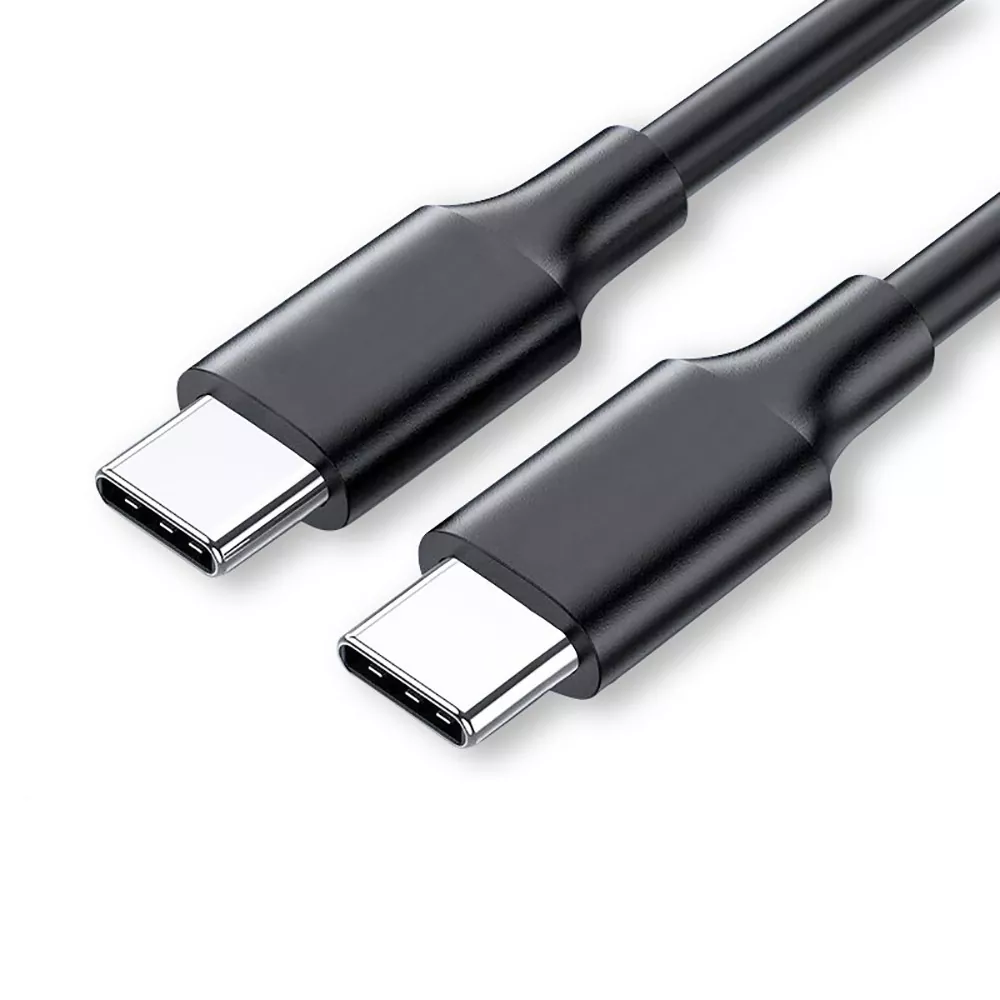
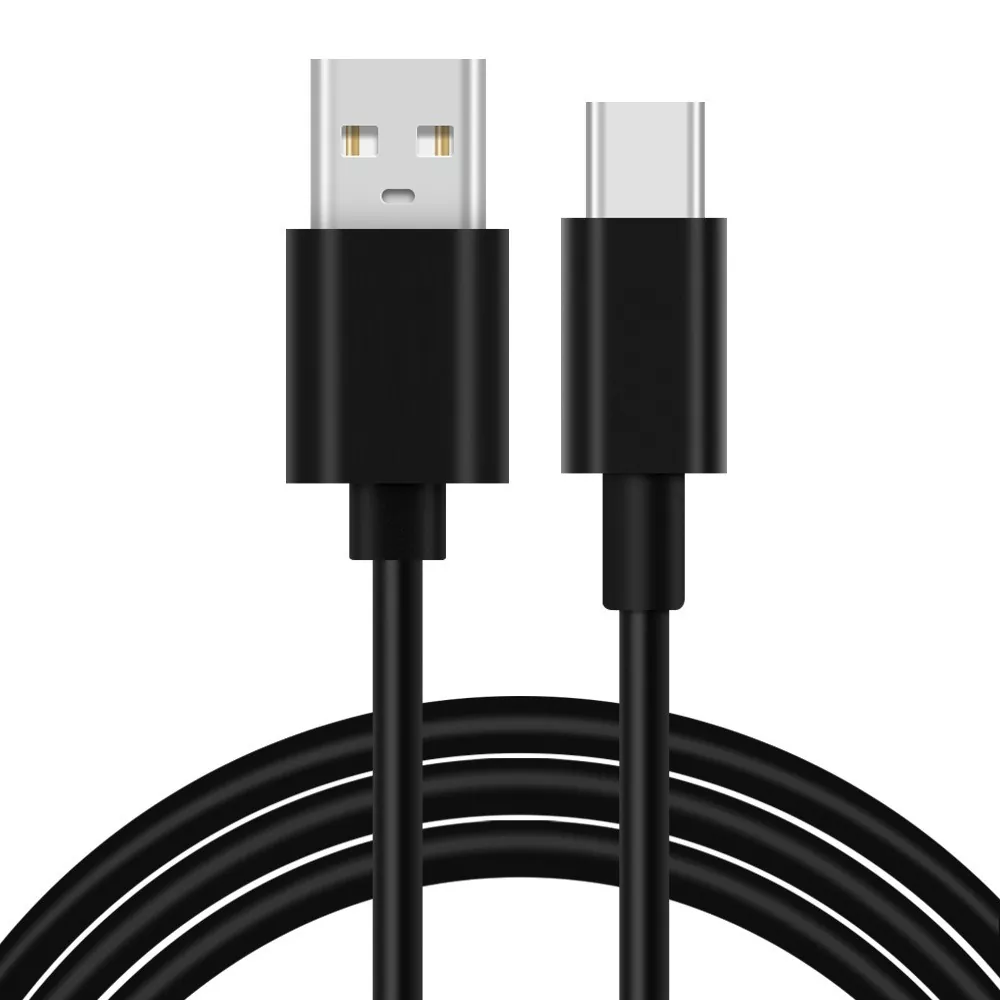
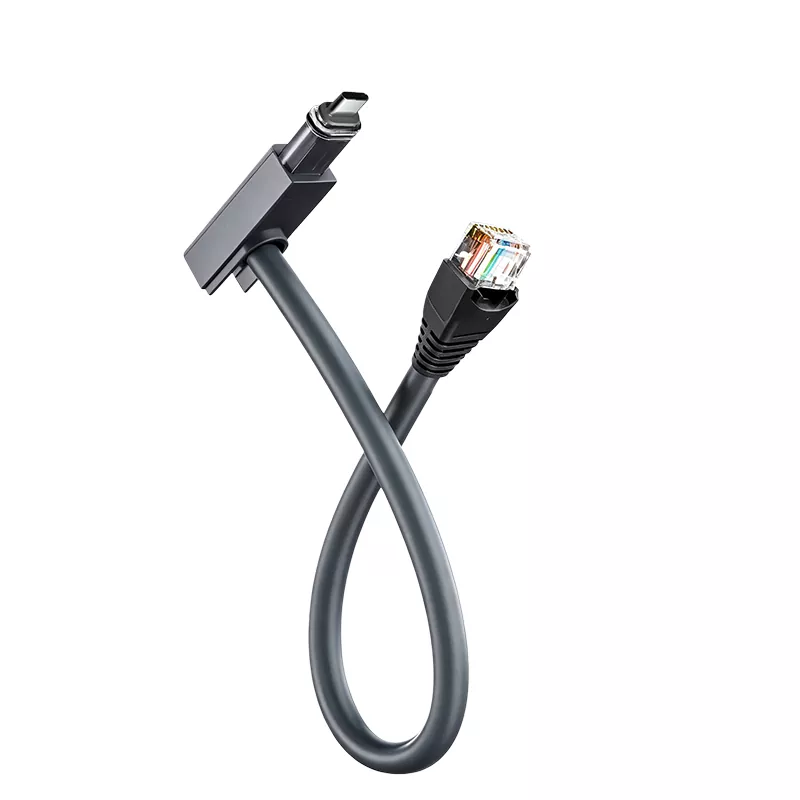
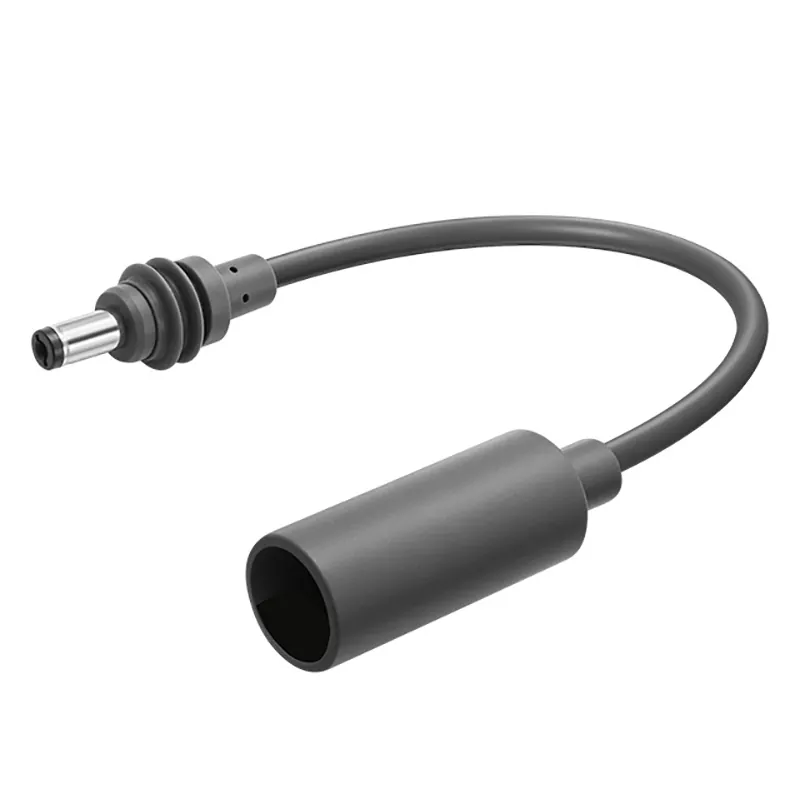
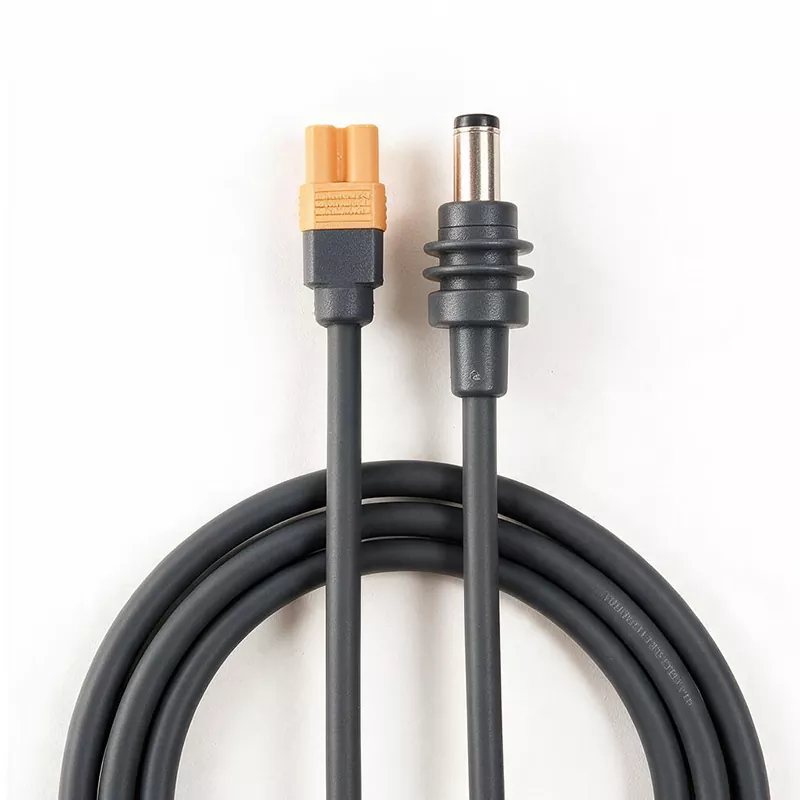
A Starlink DC FM to USB-C Adapter can connect a compatible DC source to a Starlink terminal through a locking circular connector and a configured USB-C power output. This can remove the need to place a separate AC inverter in the power path, reduce the number of connection points, and make accidental unplugging less likely in a moving installation.
Compatibility is the hard part. Starlink terminals don’t all use the same input arrangement, and a USB-C connector says nothing by itself about voltage, current, or power-delivery support. Before ordering, you need to match the terminal model, FM connector pinout, DC source, conversion stage, and USB-C power profile.
A locking direct-DC connection can simplify mobile power, but it is not universally compatible
Direct DC integration is useful where the available supply is already a battery bank, vehicle electrical system, or regulated industrial source. Fewer conversion devices can mean less wiring, less equipment to mount, and fewer plugs that can work loose.
The locking FM connector is the practical benefit on the DC side. A threaded or otherwise secured circular connection is harder to pull free than a friction-fit plug. That matters in vehicles, boats, equipment cabinets, and temporary field installations. Locking does not automatically mean waterproof, corrosion-resistant, or approved for exterior use; those properties depend on the selected connector, sealing method, jacket, and assembly design.
How the FM connector, DC conversion, and USB-C power output form one power path
The FM connector receives power from the specified DC source. Inside the adapter assembly, the conversion electronics condition that input for the output configuration required by the intended Starlink terminal. The USB-C end then provides the physical connection and, where specified, the required USB-C power-delivery behavior.
All three parts have to agree. A correct connector with the wrong pinout can put power on the wrong contact. A suitable input plug with an undersized source may reset under load. A USB-C cable or port that fits physically may fail to present the required power profile. The useful proof is not “USB-C compatible”; it is a documented input range, pin assignment, output configuration, and model application.
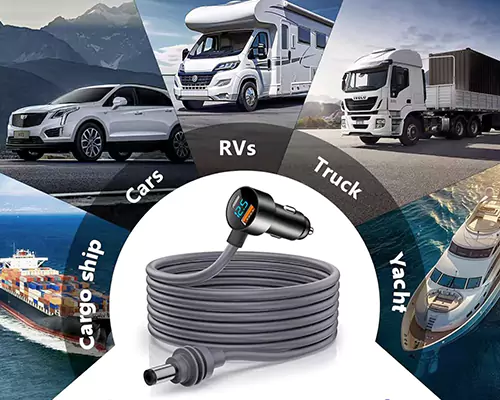
Built for vehicle, marine, RV, fleet, industrial, and field-communications installations
Vehicles and fleets: A locking connection helps reduce disconnects caused by vibration, cable movement, or equipment being shifted. Fleet buyers should also standardize fuse location, cable routing, and terminal model rather than allowing mixed adapters across vehicles.
Marine systems: Connector sealing, jacket material, corrosion exposure, and strain relief matter more than the shape of the plug. A marine DC power adapter should be specified for its actual mounting location, not assumed suitable because it has a circular connector.
RVs and mobile workspaces: Direct connection to a compatible house DC system can avoid adding an inverter solely for Starlink power. The battery system’s operating range still needs to match the adapter input.
Industrial and field communications: Custom cable lengths, protected routing, and defined packaging can make installation and replacement easier. For backup connectivity, test startup and sustained operation on the same source that will be used in service.
Compatibility depends on the terminal, pinout, power source, and USB-C profile
Do not order from connector photos alone. Similar-looking Starlink DC-to-USB-C adapters may be wired or configured for different terminals. A Starlink Mini application, a Gen 3 installation, and a custom field system shouldn’t be treated as interchangeable without documented confirmation.
Identify the exact Starlink model and required FM connector pinout
Give the supplier the complete terminal model or generation, intended connection point, connector gender, contact count, and pin assignment. If you have an existing cable, provide its drawing or clear connector and label photographs, but don’t use wire color as the only reference. Color conventions can change between manufacturers and production runs.
Ask for a drawing that identifies each contact and its function. Mechanical fit is only the first check. Reversed polarity or an incorrect pin assignment can prevent operation and may damage connected equipment.
Confirm source voltage and current capacity—and never assume every USB-C port supplies the required power
Specify the source type and its operating range, not just its nominal label. Vehicle and battery-system voltage changes during charging, starting, discharge, and fault conditions. The adapter’s accepted input range should cover the conditions it will actually encounter.
USB-C is a connector format. USB-C Power Delivery is a negotiated power system with defined profiles and implementation requirements. A phone charger, dashboard USB-C port, generic cable, or low-power converter may fit but still fail to power the terminal. Confirm the adapter’s model-specific output configuration, supported USB-C behavior, cable capability, and any input or output protection included in the quoted design.
Separate the standard adapter build from rugged and OEM options
TLD Electronics offers Starlink power and Ethernet cables alongside USB, HDMI, DisplayPort, SAS, fiber-optic, AV, and Ethernet products. The company identifies manufacturing facilities in China, accepts custom-made and small orders, and states that its products ship to more than 20 countries.
That manufacturing scope is useful for buyers who need an OEM Starlink DC power adapter, but “custom” needs a controlled specification. A rugged build may change the connector, jacket, sealing, strain relief, electronics, dimensions, cost, and production lead time. Don’t let optional features remain implied.
Make the quotation define output configuration, cable length, jacket, sealing, protection features, and packaging
A usable quotation should identify the exact build rather than listing only a product name. Include:
Starlink terminal model and application;
FM connector series, gender, locking method, and pinout;
DC input range and polarity;
USB-C output configuration and power-delivery requirements;
Cable length, conductor construction, jacket material, and color;
Strain relief, sealing, and environmental requirements;
Specified protection functions and their operating limits;
Labels, serial or lot identification, and packaging;
Sample approval criteria and rules for production changes.
Longer cable is not automatically better. Extra length can add voltage drop, weight, routing difficulty, and more cable to secure. Choose the shortest length that reaches the mounting points without tension or tight bends.
Request a TLD Electronics sample or production quote with MOQ, lead time, warranty, and US shipping terms
Send TLD Electronics the terminal model, source details, target quantity, required cable length, installation environment, destination ZIP code, and any labeling or packaging needs. Ask the quotation to state sample cost, minimum order quantity, tooling or engineering charges, production lead time, warranty terms, shipping method, Incoterms, and responsibility for duties and import fees.
For a new or customized build, approve a sample in the real installation before authorizing volume production. Check connector fit, locking, polarity, startup, sustained operation, cable routing, strain relief, and behavior across the source conditions you expect to encounter.
Ask for drawings, test records, quality-control details, and the scope of any stated UL, FCC, CE, RoHS, or ISO compliance
Compliance language needs boundaries. Ask whether a claim applies to the finished adapter, an internal component, a cable material, the factory management system, or a related product family. Request the certificate or report number, issuing body, covered model, current status, and applicable test standard. A component mark should not be presented as certification of the completed assembly.
Quality-control records should match the risk: pinout and polarity checks, electrical output verification, connector inspection, and traceability for approved samples and production lots. For custom orders, put change control in writing so connector, electronics, cable, or material substitutions require approval.
We use cookies to offer you a better browsing experience, analyze site traffic and personalize content. By using this site, you agree to our use of cookies. Privacy Policy