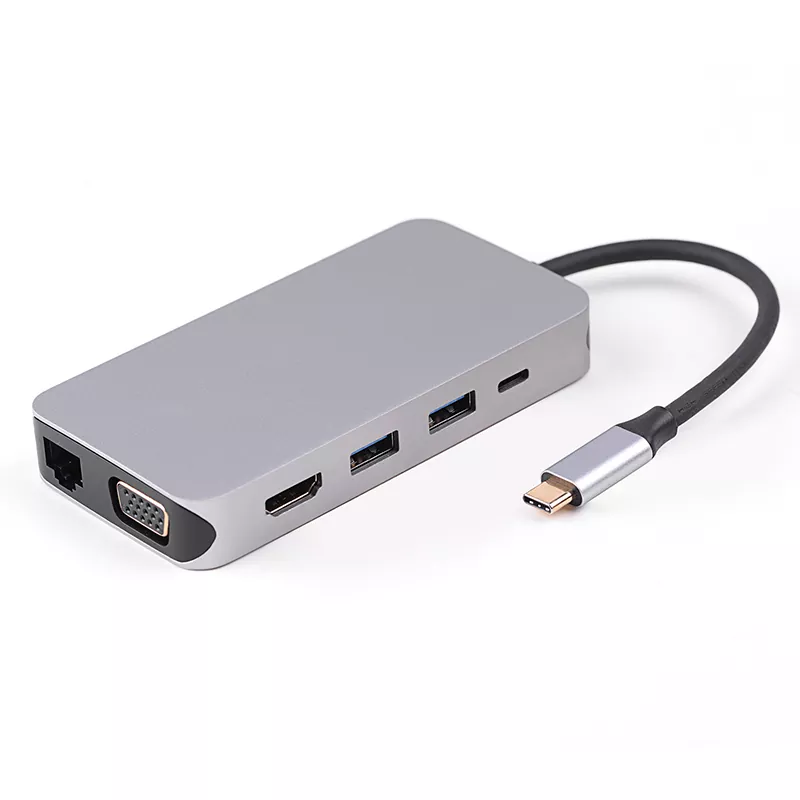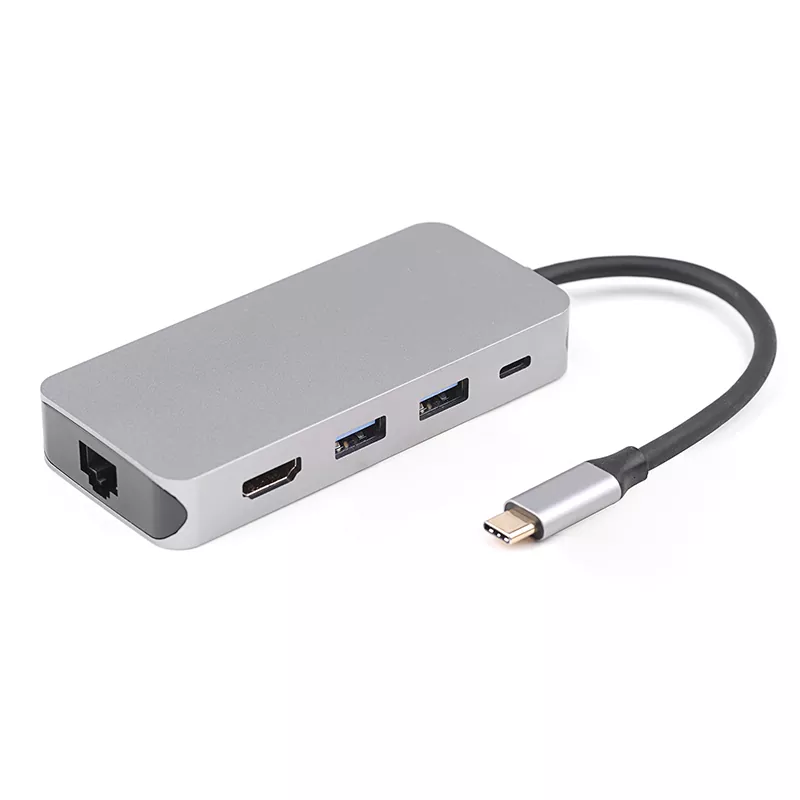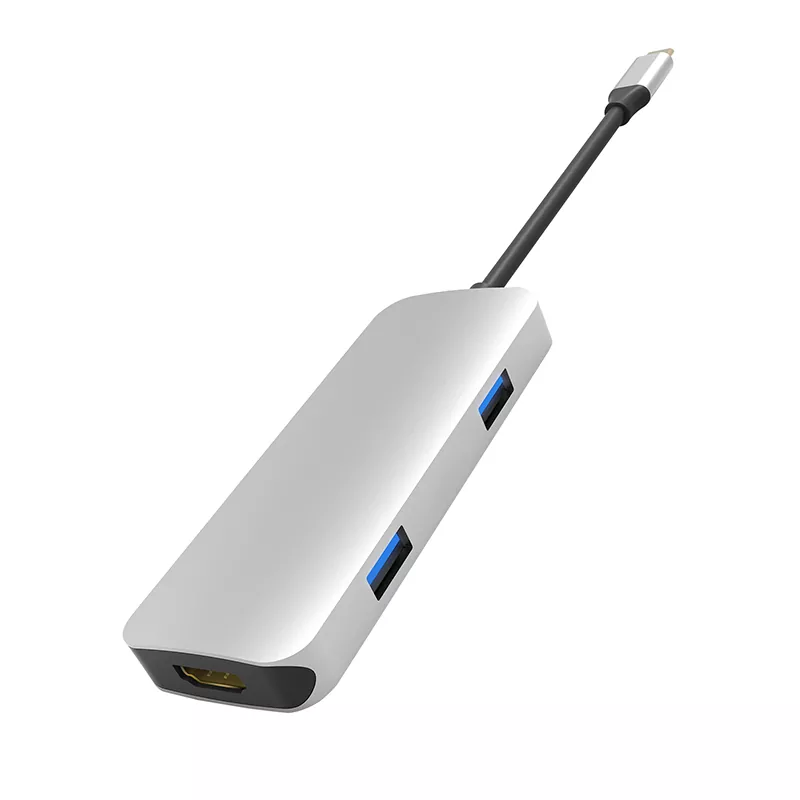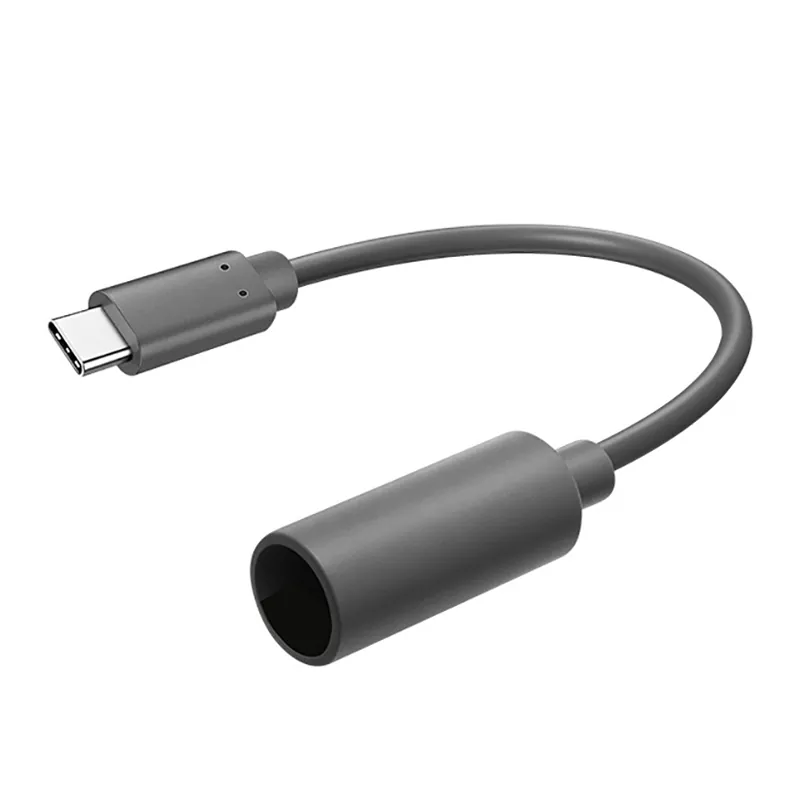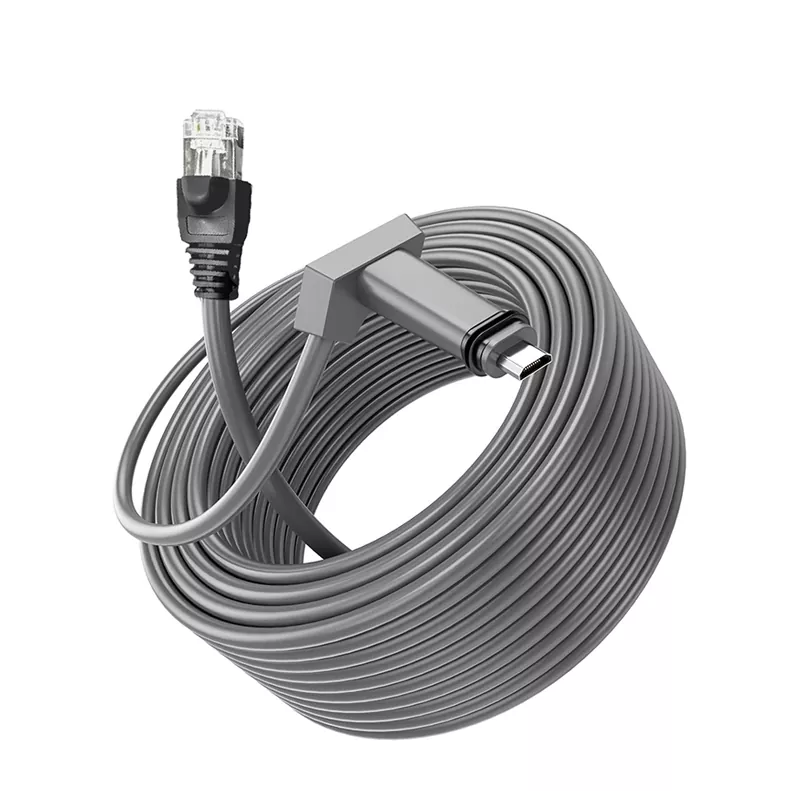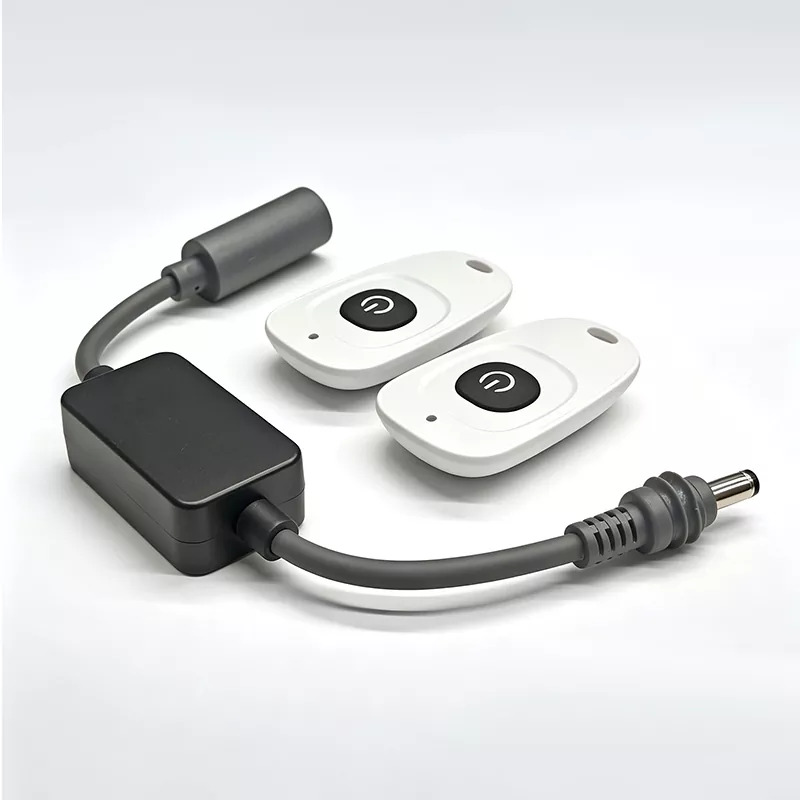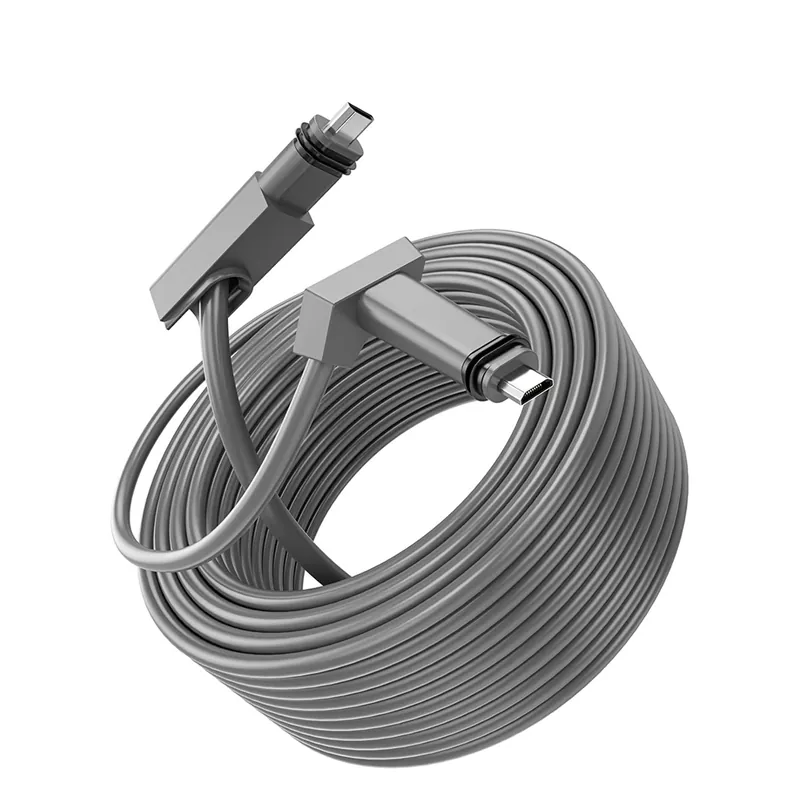
TLD is a professional USB Hub & Docking Station manufacturer in China, providing connectivity expansion solutions for consumer electronics, commercial offices, industrial workstations, and OEM projects.
TLD USB Hubs and Docking Stations are engineered to solve a single problem: a laptop or tablet has too few ports. Our product range covers bus-powered USB Hub(总线供电集线器) for portable expansion and powered Docking Station(扩展坞) for desktop-level I/O, display, and network connectivity. With in-house injection molding, SMT assembly, shielding design, and full electrical testing, TLD supplies USB Hubs and Docking Stations for global distributors, IT resellers, and brand customers.
We support different requirements in port configuration, upstream interface (USB-A / USB-C / Thunderbolt), video output, PD pass-through wattage, housing material, color, logo, and retail packaging. Production capabilities cover small trial builds as well as large-volume OEM runs.
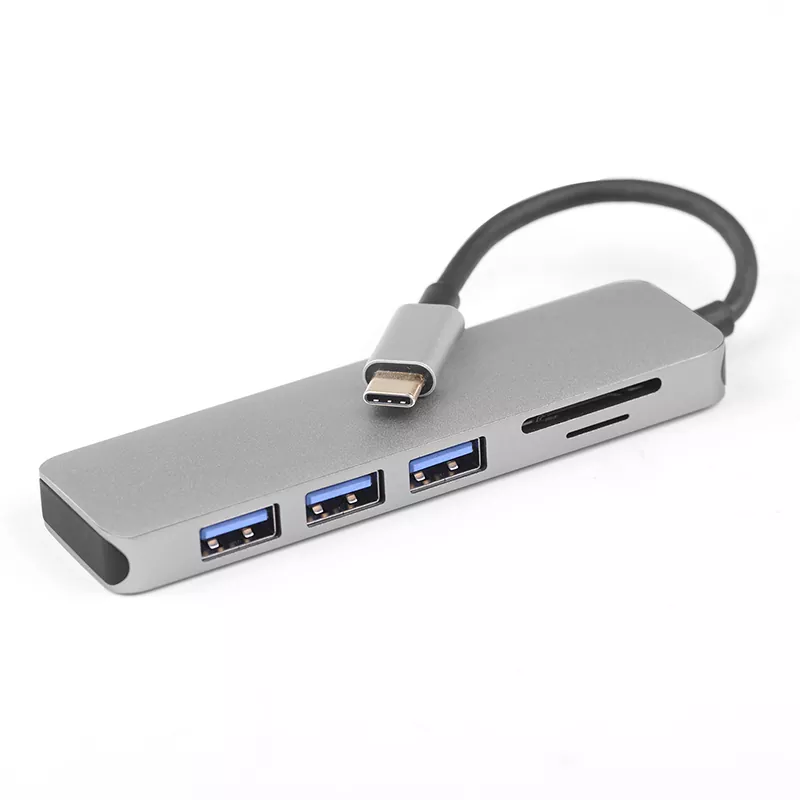
A USB Hub expands one upstream USB port into multiple downstream ports, allowing keyboards, mice, drives, and other peripherals to share a single host connection. A Docking Station performs the same expansion function but adds high-bandwidth video outputs (HDMI, DisplayPort, or USB-C DP Alt Mode), wired Ethernet, audio, and card readers, while simultaneously delivering power to the host laptop through USB Power Delivery(PD) pass-through. TLD manufactures both categories under one roof—Hubs for compact, bus-powered port multiplication, and Docks for desktop-replacement connectivity with display and network integration. Every unit is designed around the upstream interface's real bandwidth and power budget, not a theoretical maximum.
The distinction between a Hub and a Docking Station is not a marketing label—it determines what the host device can actually support. The upstream link caps the entire system: a 5 Gbps USB 3.2 Gen 1 hub cannot deliver dual 4K displays, regardless of how many HDMI ports are on the housing. Likewise, PD pass-through wattage must be reserved for the hub's own controller and downstream devices before the remaining power reaches the host.
|
Category |
Upstream Link |
Typical Downstream I/O |
Video Output |
Host Charging |
Primary Use Case |
|
USB 2.0 Hub |
USB 2.0 (480 Mbps) |
2–4× USB-A / USB-C |
None or VGA (rare) |
None or low-wattage |
Basic peripherals, legacy devices |
|
USB 3.2 Gen 1 Hub |
USB 3.2 Gen 1 (5 Gbps) |
3–7× USB-A / USB-C, optional GbE |
HDMI 1.4 / DP 1.2 (4K@30Hz) |
PD pass-through up to 100W |
Portable laptop expansion, office hot-desking |
|
USB 3.2 Gen 2 Hub |
USB 3.2 Gen 2 (10 Gbps) |
4–7× USB-A / USB-C, GbE, SD reader |
HDMI 2.0 / DP 1.4 (4K@60Hz) |
PD 3.0 up to 100W |
High-speed storage + display workflows |
|
Thunderbolt 4 / USB4 Dock |
TB4 / USB4 (40 Gbps) |
Thunderbolt downstream, USB-A, GbE, SD |
Dual 4K@60Hz or single 8K |
Up to 96–100W certified |
Desktop replacement, creative/professional |
|
Industrial / Locking Hub |
USB 3.2 / USB 2.0 with locking connectors |
Locking USB-A, terminal block power, DIN rail mount |
None or industrial video options |
Wide-input DC (not PD) |
Factory floor, kiosk, in-vehicle |
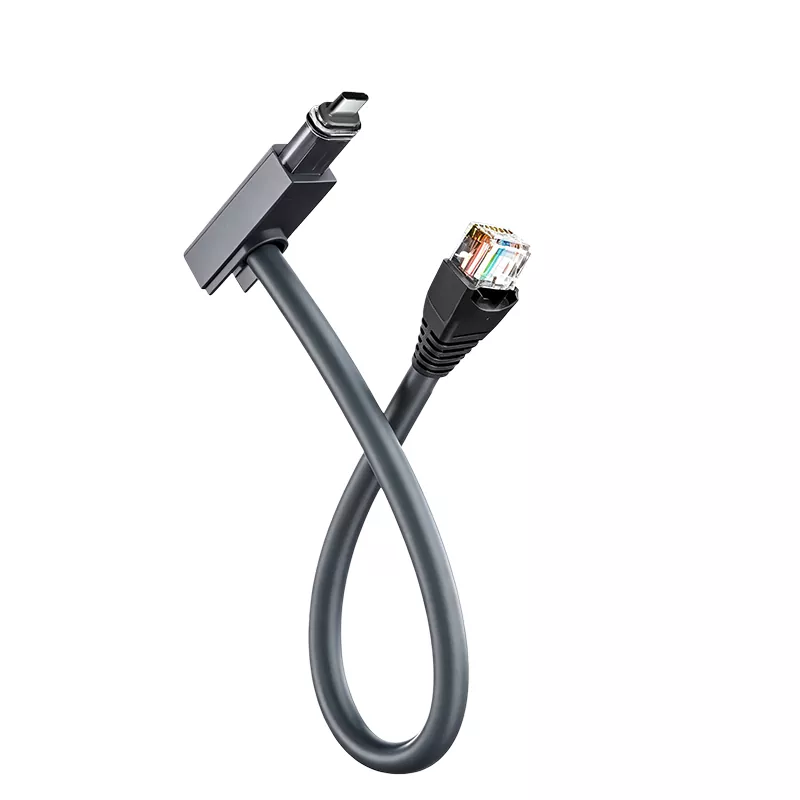
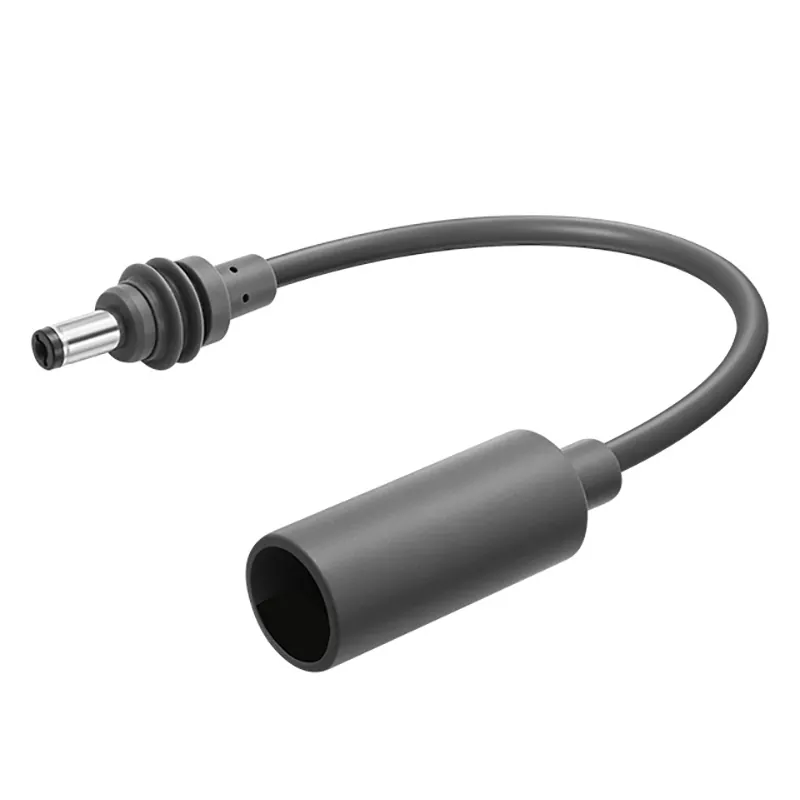
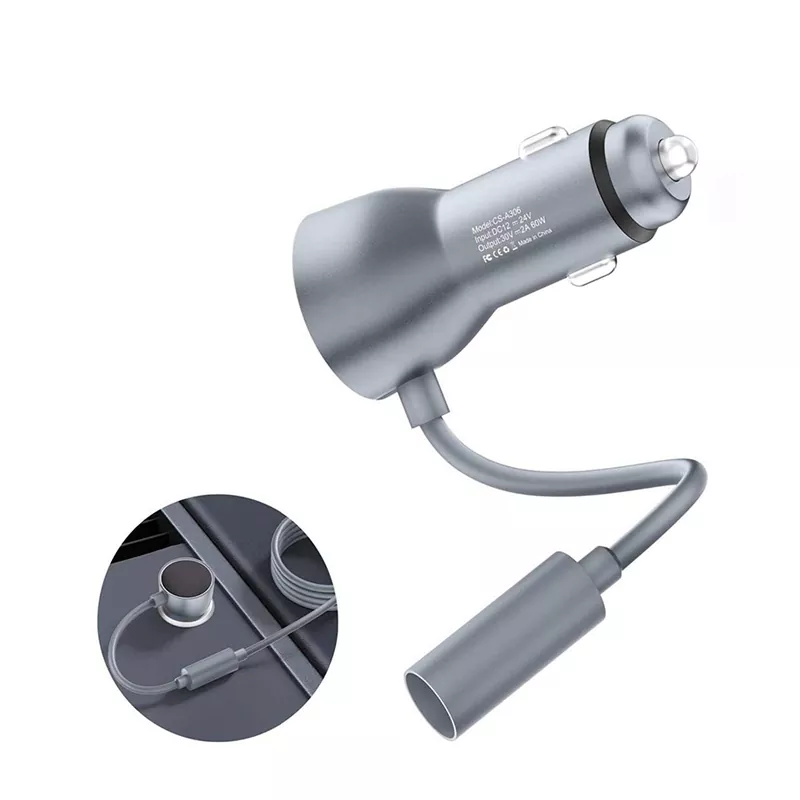
USB Hubs and Docking Stations connect to the host through a single upstream cable—USB-C, USB-A, or Thunderbolt—and require no welding or fusion. The upstream connector must match the host port's data and power capabilities: a USB-C dock with DisplayPort Alt Mode requires a host USB-C port that explicitly supports DP Alt Mode and PD input. For permanent or semi-permanent installations, TLD supplies locking USB cables, panel-mount extension receptacles, DIN rail mounting brackets, and powered DC input harnesses. Downstream devices remain hot-swappable and plug-and-play; the dock or hub handles enumeration and power allocation internally.
TLD Hubs and Docks are designed so that total downstream throughput does not collapse when multiple ports are loaded. USB 3.2 Gen 2 platforms use independent controller lanes where the chipset permits; USB4 and Thunderbolt docks leverage dynamic bandwidth allocation to balance data and video traffic across the 40 Gbps link.
PD pass-through wattage is specified after subtracting the hub/dock's own operating draw. A “100W PD” hub reserves approximately 10–15 W for its controller and downstream port power, meaning the host receives roughly 85–90 W in practice. TLD documents the reserved overhead for each model so buyers can match the dock to the laptop's actual charging requirement.
Video capability is defined by the upstream interface, not by the number of video ports on the housing. USB 3.2 Gen 1 / Gen 2 docks with DP Alt Mode typically deliver 4K@30Hz or 4K@60Hz depending on lane configuration and DSC support. Thunderbolt 4 / USB4 docks support dual 4K@60Hz or single 8K, with certified cable and host compliance required to reach those modes.
Housing materials range from ABS for entry-level hubs to aluminum alloy for heat-dissipating high-power docks. Upstream cables use TPE or braided nylon jackets with reinforced strain relief; commercial bend testing shows TPE survives roughly 5,000–7,000 bends, while braided nylon exceeds 10,000 bends. Connector contacts are gold-plated or nickel-plated for repeated mating cycles.
TLD supports customization of:
Port mix and port count (USB-A / USB-C / HDMI / DP / RJ45 / SD / audio)
Upstream interface (USB-C captive cable, USB-A, or Thunderbolt)
PD pass-through wattage and DC input voltage
Housing material and finish (ABS, aluminum, anodized colors)
Cable length, jacket material, and strain relief design
Logo application (laser engraving, silkscreen, UV printing)
Packaging (retail color box, blister, white-label, Amazon FBA-ready)
|
Parameter |
Typical Value |
|
Upstream bandwidth |
USB 2.0 / 5 Gbps / 10 Gbps / 40 Gbps (TB4/USB4) |
|
Downstream port count |
3–13 ports (Hub or Dock configuration) |
|
Video output |
HDMI 1.4 / 2.0; DP 1.2 / 1.4; USB-C DP Alt Mode; dual 4K or single 8K on TB4/USB4 |
|
PD pass-through |
Up to 100W input (host receives ~85–90W after dock overhead) |
|
Ethernet |
10/100/1000 Mbps; 2.5GbE optional on USB4 docks |
|
USB port current |
USB 3.2: up to 900 mA per port; BC 1.2 charging ports optional |
|
Operating temperature |
0°C to +60°C (commercial); -40°C to +80°C (industrial variants) |
|
Housing material |
ABS (entry), aluminum alloy (thermal-critical docks) |
|
Upstream cable jacket |
TPE or braided nylon; strain-relief reinforced |
|
Mating cycles |
≥5,000 (connector dependent; reinforced strain relief recommended) |
|
Shielding |
Aluminum foil + braided mesh on upstream cable; PCB-level EMI suppression on high-speed lanes |
As a USB Hub & Docking Station factory in China, TLD provides complete production services from PCBA and housing to final test and packaging.
PCBA and controller programming — Main controller, PD controller, video bridge, and Ethernet PHY are SMT-mounted and firmware-flashed according to the upstream interface and port configuration.
Housing fabrication and finishing — ABS injection molding or aluminum CNC / extrusion; anodizing, sandblasting, or painting applied to match the required finish.
Cable preparation and shielding — Upstream cable conductors are cut, stripped, and terminated; foil and braid shielding layers are applied on high-speed lanes to control EMI.
Assembly and strain relief — PCBA is seated into the housing; the upstream cable is anchored with over-molded or mechanical strain relief designed for the dock's expected docking cycles.
Electrical and functional inspection — Each unit is tested for upstream enumeration, downstream port function, video output resolution and stability, PD negotiation and wattage, Ethernet link, and data throughput. Appearance and labeling are checked against the approved sample before cartoning.
Q1: Can you customize USB Hubs and Docking Stations according to customer requirements?
Yes. TLD provides OEM customization including port configuration, upstream interface, PD wattage, housing material and color, logo, cable length, and packaging.
Q2: What upstream interfaces are available?
USB-A (USB 2.0 / 3.2 Gen 1), USB-C (USB 3.2 Gen 1 / Gen 2, with or without DP Alt Mode), and Thunderbolt 4 / USB4. The upstream interface determines the maximum downstream bandwidth and video capability.
Q3: Does TLD provide samples before bulk production?
Yes. Functional samples can be provided for port configuration verification, video output testing, and PD compatibility checks before tooling and mass production.
Q4: What is the difference between a Hub and a Docking Station in TLD's catalog?
A Hub multiplies ports from one upstream connection; a Docking Station adds video outputs, Ethernet, and host charging through PD pass-through. TLD manufactures both, and the upstream link caps the feature set regardless of housing size.
Q5: Which standards do TLD USB Hubs and Docking Stations comply with?
CE, FCC, RoHS, and REACH as baseline. USB-IF compliance is pursued for USB 3.2 / USB4 platforms where required. Thunderbolt docks are built to Thunderbolt 4 certification requirements when the program specifies it. Industrial variants can be customized to UL 508 / Class 1 Division 2 requirements per destination.
Q6: What certifications can TLD provide?
CE, FCC, RoHS/REACH certificates, and USB-IF / Thunderbolt compliance documentation where applicable. A traceable certificate of conformance accompanies each batch.
Q7: What are the packing methods?
Retail color boxes with die-cut foam or molded pulp, blister cards with hang holes, and white-label packaging with UPC / FBA prep. Bulk packing: individual units per PE bag, 20–50 units per export carton, customizable by port configuration and housing size.
To get a quick quotation:
Visit www.tldcable.com and advise the upstream interface (USB-C / USB-A / Thunderbolt), required downstream ports, video output, PD pass-through wattage, quantity, and target market. Email sales06@tldcable.com with your port diagram or target specification sheet.
Please specify whether you need an off-the-shelf Hub/Dock configuration, a modified existing model with OEM branding, or a fully custom housing and port mix. We will reply within 2 hours on business days—and we offer functional samples for qualified projects.